Terms of Reference for the consultant to document 2 successful cases of CRG Technical Assistance provision in EECA in 2019 – 2020

Background

Since 2017 Eurasian Harm Reduction Association is being the host of the EECA regional Platform for Communication and Coordination. One of the EHRA responsibilities in its role as EECA Regional Platform is to promote the Global Fund’s Community, Rights and Gender (CRG) Technical Assistance Technical Assistance Program among civil society and communities’ representatives involved into the Global Fund related processes in EECA countries.

To better inform and motivate CSOs and CBOs in the region to use the Technical Assistance (TA) available within this Program in 2021, EHRA is planning to document 2 successful cases of CRG TA provision in EECA.

EHRA is looking for the consultant to help with such documentation.

Key tasks to be conducted by the consultant

The consultant is expected:

  1. In consultation with colleagues from the Global Fund Secretariat CRG Department to help EHRA to identify two successful cases of CRG TA provision in EECA in 2019 – 2020 to be documented.
  2. To propose the format and structure of the case study to be developed as a result of the documentation.
  3. To collect all required information needed to document the selected two successful cases of CRG TA provision in EECA in 2019 – 2020. The methods of data collection should include:
    – the desk review of all documents (TA requests, ToRs for the TA providers as well as for the TA experts, TA budgets, final reports on the TA provision, documents resulted from the TA etc.) related to the provided TA;
    – the interviews with the representatives of the following key stakeholders: TA recipient, TA provider, GF CRG Department, experts involved into the TA provision, other national direct beneficiaries of the TA being provided (not less than 4 interviews per case).
  4. To develop two case studies describing the successful cases of CRG TA provision in 2 EECA countries in 2019 – 2020.

Deliverables:

Two documents presenting the description of two preselected successful cases of CRG TA provision in 2 EECA countries in 2019 – 2020.

The length of each document should not exceed 4 pages including the 1-page summary of the successful TA case.

The language of the resulted documents should be English or Russian (will depend on the countries where cases of TA provision to be documented).

Timeframe

  1. By 2nd of March – to identify two successful cases of CRG TA provision in EECA in 2019 – 2020 to be documented.
  2. By 4th of March – to propose the format and structure of the final document to be developed.
  3. By 9th of March – to identify the key stakeholders to be interviewed and start data collection.
  4. By 23rd of March – to provide EHRA with the draft case studies for a feedback and comments.
  5. By 1st of April – to provide EHRA with the final products.

Cost of services

 The total contract cost for the work of the consultant under this ToR should not exceed 1 500 USD (including all taxes).

Evaluation Criteria

An evaluation panel will assess the extent to which proposals submitted in response to this announcement meet the evaluation criteria below.

The minimum technical score is 90. Only candidates with a minimum score of 90 points out of a maximum of 100 are considered eligible for the assignment. Consultants with proven work experience in the community organization would be given a priority.

The candidates with the highest technical score that meets the requirement will be invited for negotiation of the agreement.

CriteriaWeighting
Good understanding of the Global Fund CRG TA Program (should be clear from LoI)25 points
Knowledge of, and access to, relevant stakeholders to be interviewed as well as to the other relevant sources of information (should be clear from LoI)25 points
Experience of undertaking similar assessments and a strong record of adherence to evidenced-based approaches (should be clear from CV and LoI)25 points
Proven set of skills for interviewing, conducting a literature review, and writing (should be clear from CV and LoI)25 points
Total100 points


Additionally, the consultants should have:

  • No conflict of interest (should be declared in the Letter of Interest);
  • Fluent English and Russian languages.

How to apply

The individual consultants are invited to submit their CV and the Letter of Interest (LoI) by e-mail referenced under title “Consultant to document 2 successful cases of CRG TA provision in EECA” to ivan@harmreductioneurasia.org by COB 24 of February 2021 24:00 EET.

Download this ToR

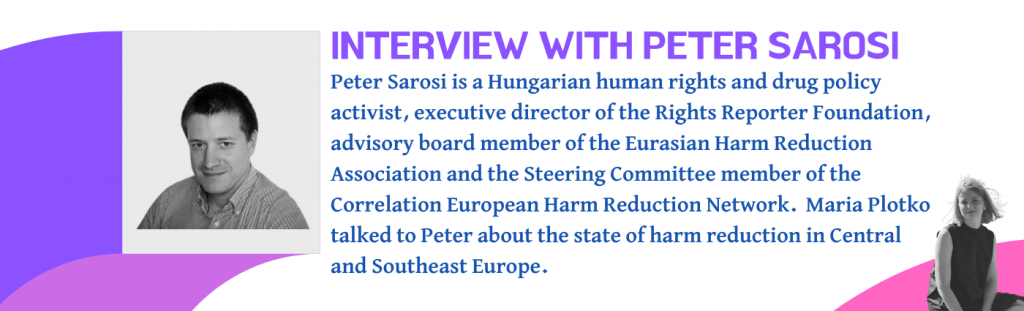
Drug policy and harm reduction in Southeast and Central Europe

Have there been any significant developments in the region of Central and Southeast Europe since 2018? Any scale-back or scale-up of harm reduction services? 

There are some improvements in some countries, for example, in Serbia, Montenegro and Macedonia. Although governments still allocate very small budgets for harm reduction, at least they are becoming more open, willing to cooperate with the civil society and end this terrible situation after the Global Fund funding ended and other programs collapsed.

There is a new outreach program in Belgrade. The Bosnian government seems to be open to give funding for harm reduction; some money was allocated in Montenegro. The financing in Bulgaria that was stopped due to some bureaucratic problem related to the funding criteria introduced by the government has been resolved to a certain extent now, and the needle exchange program operates again in Sofia, and a new drop-in centre was also opened, which was later closed down.

There is still a shortage of opiate substitution medications in Romania, and the Ministry of Health is very inactive to solve this. Thankfully, there are still available programs even amid the coronavirus pandemic. Organization Carusel has made some significant improvements and recently opened a new shelter.

No real improvements happened in Hungary, apart from a new mobile outreach program in Budapest, called HepaGo, which reaches those areas where needle exchange programs were shut down in 2014. The only problem is that it is financed with international money, which makes it fragile; it’s not sustainable without money from the state. Injecting drug use in Budapest is decreasing, probably because people are switching to smoking synthetic cannabinoids.

More and more people use new psychoactive substances in other Eastern and Central European countries: some of them as the main drug, and some in combination with other substances. I think it is a very significant change for care systems because most of them were primarily constructed to get opiate users into substitution programs. But how do you deal with the treatment of new substances’ users? I’ve heard that rehab programs don’t work for them as well as with opiate users. We probably need to explore these short-term interventions for these users, who are sometimes much younger than heroin users. People still need help, but they need some different approaches.

You said that some governments had become more open to harm reduction. What has changed to make them do that? 

I think the fact that they sit down at the negotiating table is already a good sign. In Belgrade, we presented a study about the clients of a closed needle and syringe program, and the feedback from the government was very positive, they are now more friendly to the civil society and speak with them more actively. They still can’t offer much, but at least they have some budget for harm reduction programs. In most cases, I think this change happens because of the pressure and advocacy by the civil society. But these bureaucratic machines are very slow. After years of advocacy, it gets to the stage when the implementation of programs is in the hands of decision-makers. A few years ago, we formed the Drug Policy Network South East Europe, and it took us two more years until ministries started implementing real measures. 

Are these measures mainly related to the “old harm reduction”, or do they also involve new services, like drug checking or drug consumption rooms? 

Some organisations in Eastern and Central Europe started doing drug checking in nightlife settings and during festivals. In Western Europe, however, liquid chromatography machines are now used in festivals. I think many organisations in our region could also afford them. The real barriers are not financial. Money could be collected through fundraising or crowdsourcing campaigns. There are a lot of wealthy middle-class people going to these festivals. It’s not a big deal to raise the money. I think that the real problems are legal barriers and police practices.

Are these the same barriers for introducing new harm reduction approaches in general? To open drug consumption rooms or change service packages in harm reduction settings? 

In an environment where you don’t even have resources to operate traditional harm reduction services, like needle and syringe programs or opiate substitution, you don’t have funding for anything else. It requires stable, sustainable funding from the government to run these programs. It’s not something you can just start and see what happens. The second issue is the attitude of governments. They don’t want to risk this kind of public controversy. Even in the progressive Czech Republic, conflicts arise with residents who oppose needle and syringe programs. It’s a kind of political risk for leaders in our societies with a lot of conservative-minded people to introduce an innovative program.

You said that because people don’t inject so much, they need different harm reduction. What do you think prevents the existing services from changing their packages?

They are changing. At least in Hungary, they are changing. For example, if there is less demand for needles, they will distribute some other things. At the moment, these are COVID-specific things, like masks, gloves, disinfectants. There is also a demand for social help. Many people are still living with Hepatitis C, and they need help to get into treatment. That’s why we called our new project HepaGo. People who injected drugs before didn’t have access to treatment. This is what this project helps to achieve in collaboration with hepatology doctors.

Psychologists’ help is essential in the case of new psychoactive substances because of psychosis, aggressive behaviour associated with them. Also, most of these people live on the street, and they face a lot of social issues. We should realise that harm reduction is not only about HIV and hepatitis C, but it’s about different kinds of help to people who live on the margins. They need other types of support as well, like helping them to find housing and normalise their social relationships.

You said that some new networks had been formed in the Southern subregion. What kind of networks?

I had in mind the Drug Policy Network South East Europe. They organise conferences for regional harm reduction actors, provide help on the country level, publish reports. It would be useful if people from this and other networks, like the Eurasian Harm Reduction Association, could visit countries to sit down with local politicians, bureaucrats, researchers and civil society. This would provide local NGOs with an opportunity to talk to governments and set agendas. Such a model would be useful in the future after the pandemic is over.

What is the civil society’s role, and what do they advocate for in different countries? 

Budget is still the main issue. It’s a year to year survival for programs, which limits the scope of advocacy because you have to fight for the very resources that enable you to operate. You don’t really have the capacity, energy and staff to fight for other things. The funding for harm reduction in the region is unstable. That is also one of the reasons we don’t have enough innovations or don’t open drug consumption rooms or implement naloxone programs. Governments primarily aim at banning substances and don’t care about providing support to drug users. And I see a lot of uncertainty among service providers in light of these changes in the drug market. The readily available harm reduction models that used to work are not enough.

Who funds the services? Are there governments or other international donors besides the Global Fund that do this in the region?

Most of the funding comes from national or local governments. I don’t know any significant international financing of services coming to the region right now. I know organisations that have conducted successful fundraising or crowdsourcing campaigns. The new drop-in centre in Sofia was opened with the fundraised money. I also know organisations in Hungary that work with marginalised Roma people, not only drug users, who have led some successful crowdsourcing campaigns. It is not a lot of money, not enough to run organisations, especially if they provide lifesaving, public health and social services that the government should fund. Crowdsourcing opportunities won’t substitute the stability of government funding.

Do any organizations advocate for the decriminalization of drug possession, drug use or the human rights of people who use drugs?

There are not that many. There was a decriminalization campaign in Lithuania in 2017, but I don’t remember any others. You need to have liberal or socialist governments to have a successful campaign in this area. I don’t see any countries now where anybody could say that there is at least a 50 per cent chance to lead a successful advocacy campaign in the fields you mention.

But it doesn’t mean you shouldn’t do it.

You are right; it doesn’t. It doesn’t mean that you should not deal with criminal justice and criminalisation of people, because these are critical issues. I see efforts being made to add alternatives to incarceration systems. In Poland, for example, they are talking about more alternatives and also how to link the criminal justice system to the treatment system.

Would you agree that most organisations in the region primarily work on the provision of services and funding, but not drug policy and advocacy? 

I think some organisations do advocacy on top of providing services, and some don’t even understand why advocacy is crucial in the first place. What they do is not always advocacy—they try to make some behind-the-scenes pacts with governments. Only very few organisations, maybe one third, are brave enough to organise campaigns like Support don’t Punish on the 26 of June. Even when they do, it’s sometimes very weak. In general, advocacy is very weak in the region. Only very few organisations do real advocacy; and mostly on funding and services. They don’t want to take the risk of being political to talk about criminalisation. Harm reduction services are much easier for people to swallow than decriminalisation. It’s not easy for many in the government to understand that these people need help; they should not be punished in the first place. We don’t see much of this attitude in the region.

You said that organisations must be brave to do advocacy. What kind of consequences could they face? Will they lose funding if they speak about decriminalisation, or is there more to it?

That’s the main fear. Most of these organisations are very much dependent on government funding, and they are afraid to lose it. I wouldn’t say that this fear is unfounded in the environment of very scarce resources. Governments tend to support organisations that they find more manageable and conforming to their expectations. That’s why there is a need for bravery to speak up for decriminalisation. You can be labelled a “political civil society”, which in some countries like mine, are called “Soros agents” [the Hungarian-born American billionaire philanthropist George Soros finances many liberal and progressive causes] or be accused of wanting to legalise drugs. I think many service providers want to avoid being labelled as a radical organisation.

But harm reduction is mentioned in policy documents and is featured in national health packages.

Many national drug strategies do mention harm reduction. Some countries mention surprisingly progressive things, for example, in some Balkan countries. I’ve heard that some national drug strategies there have been copy-pasted from EU documents. But it doesn’t mean, of course, that these documents are implemented, despite all these references, existing mechanisms for funding or alternatives to incarceration. They are simply not used. Or if they are, not on the full scale. It is not a priority for governments.

But why do they have all these policies but don’t implement them? 

I think it’s a kind of nature of policymaking: it’s much easier to adopt guidelines and recommendations than implement them. Governments can claim success by issuing a new rule or strategy, tick the box of having a national drug strategy in the form of a comprehensive, balanced document. They can tell the media and people, “We are working on a drug policy, we have a strategy”. But they are not so eager when it comes to allocating resources for their implementation. Monitoring and evaluation are also missing in most countries. In Hungary, four organisations working in rehabilitation, treatment, prevention and harm reduction, united in the Civil Society Forum on Drugs. We did an independent civil society evaluation of the implementation of our national drug strategy and produced a report based on focus group research and interviews with service providers. But governments don’t make any efforts to evaluate their policies.  

Could you identify any good advocacy efforts in the subregion? Also, what do you think works when you speak to governments? 

What works very much depends on the attitude of each particular government. For example, Poland has a very conservative government, but at least they have the National Drug Agency, which kind of counterbalances these conservative tendencies, and they can maintain support for harm reduction programs and civil society. The conferences on drug policies that the Polish Drug Policy Network organised in the previous years in different cities was a beneficial civil society initiative to show that drug policy is not only about national governments. Some issues could be solved on the local level. They also trained a lot of municipal authorities and professionals.

Super conservative governments now rule in many countries, but there are liberal city mayors. When the national government is inaccessible, we can go to city authorities. We have been doing this in Hungary, and a lot has been achieved in local governments. Some of them now support harm reduction. One thing we have learned in the past two or three years is that we should focus more on local policies. Harm reduction was born as a grassroots initiative in European cities: Frankfurt, Zürich and others. It has always been a local thing. Possibly, it won’t work in all the Balkan countries, but it does in Hungary and Slovakia. Bratislava has a new city mayor, and Iveta Chovancova, a former member of the Eurasian Harm Reduction Association’s Steering Committee, now works for the city administration and helps promote harm reduction programs from the inside. The next harm reduction conference will be held in Prague, and I see the city also supports this conference.

Could you talk more about the Roma population and drug use in the region. I understand it’s a big problem.

I wrote an article about this some time ago that sums up the scope for this issue. There are large Roma populations in Slovakia, Czech Republic, Hungary, Romania, Serbia and Bulgaria. In Hungary, for example, seven percent of the population is Roma. Most of them are likely unemployed and don’t have access to essential services, suffer from segregation in schools and places they live in.

The situation is similar in other countries with large Roma populations. Even though drug policies claim to be colour-blind, but there is racial profiling in the region. When we speak about this, we usually think about the US and Afro Americans and Latino Americans, but we don’t talk about what is happening in our region. We don’t talk about the trauma of people who have a much greater chance to be arrested for drug use and be imprisoned. You can see in many cities across the region that nine out of ten people in needle exchange centres are Roma. We don’t have enough studies and research about this, but Roma constitute a big part of the poor. Sometimes existing programs don’t reach out to these communities because they operate in city centres, while these people live in segregated areas. And if you don’t have culturally appropriate outreach programs to bring help to their part of the city, you don’t even see them. They become completely invisible. I think we need to work more on this. If we researched how much Hep C or HIV affect these populations, we would indeed find that they are disproportionately affected.

What about other groups, like women or young people or men who have sex with men? Are there any specific services for these groups in the region?

I see very few services targeting these populations. The only needle and syringe program for women in Hungary was closed in 2014. The research on women done last year by Zsuzsa Kaló in Hungary found that the country’s treatment system is not friendly to women and don’t always meet their needs, especially if children are involved. Women don’t have a place to leave their children when they go to services. There is also the problem of domestic violence. If their partners are also drug users, women don’t always want to go to the same service. Women are pretty much dependent on their partner for assistance and getting drugs.

Most specific services target sex-workers. They sometimes overlap, of course. Only one program in Hungary provides shelter and services explicitly for pregnant women who use drugs. It’s similar in other countries, I think. The only exception could be migrants and refugees, which is a massive issue in Balkans now. I’ve heard about programs that go to refugee camps for HIV and Hep C testing or reach out to drug users.

What about young people who use drugs? Do any programs address their needs? 

In my experience, most such organisations are set up and operated by young people who are party drug users. Therefore, all their services are linked to the party scene. I don’t see the same for marginalised injecting drug users. Youth organisations are mostly for psychedelic drug users. I have always admired this organisation in Belorussia Legalize Belarus. In a country like Belarus, it’s impressive. These idealistic young people do good things, but they are not harm reduction service providers.

Let’s talk about some specific services, like the opioid agonist treatment (OAT). Are there any problems with take-home dosages, mandatory drug checks? 

In most countries, maybe except the Czech Republic and Slovenia, the main issue has always been accessing services. But with the shrinking number of opiate users in some countries as Hungary, the situation is changing. Still, regulations are very restrictive. Many people are pushed to detox or are not able to access the type of therapy they prefer, e.g., they are forced to take Suboxone when they want methadone or buprenorphine. Sometimes these decisions are not based on the needs of clients but are dictated by agreements between pharmaceutical companies and service providers. Many clients in Hungary were not happy when services switched from pills to liquid methadone.

OAT programs sometimes feel like very rigid systems that are more serving the people who are providing the service rather than those who receive it. Because of these restrictions, some people opt to get a prescription from doctors to buy the therapy they want in pharmacies. But there are not many of them; only those who can afford this. Most still get their treatment from state- or NGO-run programs. I think that the COVID-19 pandemic can change this rigidness, help break down these barriers. We hear that the rules are changing in many countries now, and people are allowed take-home dosages for more extended periods of time.

Is there any difference in terms of quality of services or clients between NGO- and state-run substitution clinics?

Most state-run clinics I have visited in the region are in hospitals. They are approachable for those who live in cities. With NGOs, it’s a mixed picture, but they are less prevalent. For example, in Hungary, I think only one or two NGOs do that. In most other countries, especially in the Balkans, it is still very much doctors in white coats in hospitals.

Do clients prefer NGO-run sites?

I never asked clients this specific question but think that they would much rather go to a drop-in centre rather than to a clinical, sterile, bureaucratic setting that is not user friendly and has this kind of authoritarian atmosphere. A lot of people are queuing in these hospitals, and there are conflicts. The black market for methadone is a considerable problem in many countries. Dealing happens near these large hospitals. We had a lot of reports about people robbed by some violent gangs after leaving a hospital, who take their methadone. I think it is safer and more friendly to have decentralised OAT centres. It would also be great if general practitioners or psychiatrist could prescribe methadone to be obtained in pharmacies.

Why do you think it’s so hard to scale up these services? 

Again, I think it’s more an ideological rather than a financial barrier. Many governments say that there is not enough money. I don’t think it’s the issue. When governments start to prioritise, they always find the money. But these issues are not something that politicians can gain political capital with; they are not popular. They cannot sell it as a political product. It’s similar to renovating prisons. They can say that money is spent to build new jails to put more people into them, but not that the new jails are more humane for inmates.

Why do you think it’s so politicised? We’re speaking about health issues. 

Because drug use is a moral issue, many don’t perceive it as a public health issue like diabetes. Most people still condemn drug use, stigmatise it. I don’t think this attitude would much change if drugs were legalised. This label would remain because people perceive that it is drug users’ fault: You are morally inferior if you use drugs, and you don’t deserve to receive this funding because you are less than me. I am a normal person, pay my taxes, but you don’t. Why do you deserve more? Why shouldn’t we give the money to kindergartens? Alcoholism is perceived as part of our culture, but drugs are viewed as something alien.

What about barriers to services and their quality? 

As I have mentioned, restrictive rules primarily prevent people from being admitted to programmes. Also, people are often prescribed very low doses. And we know that insufficient quantities don’t work. We have been trying to change this in Hungary for a long time without real success. Some responsive doctors prescribe sufficient doses, but most of them are very conservative, with the abstinence-minded mentality, who push people to reduce their dose. Another issue is limited slots for substitution treatment. Of course, it’s different in each country. In Hungary, if hospitals admit more people, they must cover these expenses from their budget, they do not receive this normative fund from the state budget. That’s why there are waiting lists. People must undergo one or two unsuccessful attempts to quit, and only then they are admitted into programs. But it depends on doctors—their attitudes remain the most significant barrier.

What about polydrug use? If you’re a polydrug user, can you enter the program?

It also depends on the doctor. Some programs require urine tests, and you can be kicked out if you use other substances. A good professional with a normal mindset would not kick out someone just because he or she smoked marijuana. It depends on the professionalism and humanity of doctors.

What about the quality of services? How comprehensive are they? 

Most hospitals conduct motivational interviews for people who want to quit and have ties to rehabilitation centres. OAT programs are often accused of being “pill meals.” But it’s not true. Most programs are making serious efforts. I have never seen an OAT that kicks you out because you refuse to go to group meetings or counselling. If clients don’t need this type of personal interaction and just want to pick up their medicine, they can go to a substitution clinic without having interactions with any other services for years. But if you want, there are possibilities.

Are there groups of OAT clients who advocate for the improvement of the quality and coverage of services?

This area is very underdeveloped, and there are very few groups like that. This is one of the critical problems in our region that service providers don’t make much efforts to encourage community involvement. Mostly because it would need additional financial, time and energy investments. You need to have resources and capacities to do this. Advocacy organisations can’t do this alone. But if you are a service provider, I think it could be done with the training of peer leaders. Some young people organisations are working in the field of psychedelics or cannabis, but not with marginalised communities.

Governments don’t adequately implement monitoring mechanisms. The Czech Republic has some kind of quality accreditation for drug prevention programs, but not for harm reduction. I don’t see any significant efforts to monitor and evaluate these programs.

Why do you think there are no working monitoring mechanisms? It would make sense because the governments fund them. 

Countries have different protocols. But again, it requires money to implement them. The first thing governments should recognise is that it’s also their responsibility to ensure that these programs operate according to quality standards. Professional guidelines in Hungary foresee that each harm reduction program needs to employ at least two half-time workers and a professional worker. There are standards for the professional education of these people. But it is not enough to pay their salaries from the funds the government provides to these programs. It’s a contradiction: the professional guidelines say that you need to have this and that, but there are no resources. When governments don’t provide sufficient budgets for these services, they will not pay attention to the quality evaluation because they know that it is impossible to achieve the standards with existing resources. Harm reduction programs are happy if they can produce base salaries for the staff and for the safe disposal of needles, which requires a lot of money. They don’t have money for extra services, like psychologists or gynaecologists. It’s a resource issue.

Can you talk more about the new psychoactive substances and amphetamine-type stimulants?

The primary stimulant in our regions is still amphetamine. But the new psychoactive stimulants are also coming, especially in Poland, Hungary, Romania. In Slovakia and the Czech Republic, pervitin (methamphetamine) prevails. In Hungary, most injecting drug users use cathinone-type new stimulants. The trend of synthetic cannabinoid use can be seen in many countries: in prisons, among homeless or Roma people. Most marginalised groups massively turn to synthetic cannabinoids because they are cheap, readily available, and they just knock you out: you don’t feel the pain and suffering of everyday life. It’s an “ideal” drug for the poor. These new synthetic stimulants and cannabinoids are dealt with separately, not in one group.

And what about overdose prevention and access to naloxone? 

In most countries, naloxone cannot be taken home or distributed because of the protocols allowing only a professional doctor to administer it. It’s only available in emergency units, and nasal naloxone is missing entirely. I don’t see any real efforts to introduce naloxone, maybe only in the Baltics, in Estonia, not in other countries. When we had the heroin crises about ten years ago, service providers advocated for naloxone, but not anymore. I don’t think that it is a part of any advocacy efforts.

What is happening with drug use and harm reduction in prisons? Is there any new research about these issues? 

The prison issue is still a white spot in most countries. No OATs exist in Hungarian prisons. But even in the countries where they do, access to them is very low. Needle exchange is absent entirely. Most prisons don’t address drug issues at all, sometimes provide some counselling, Narcotics Anonymous or something like that. Prisoners increasingly use new psychoactive substances because it’s much easier to smuggle them in and it is much more difficult to test them. Prisoners were banned from receiving postcards in Hungarian prisons because there were many instances when they were soaked in drugs. Letters to prisoners are now xeroxed. Sending tobacco is also not allowed because cigarettes were often infused with cannabinoids. I think that synthetic cannabinoid issue is the biggest problem in prisons where the use of new psychoactive substances is widespread among the population. The rate of people incarcerated because of drug use in our region is not very high, but laws are very restrictive, sentences are disproportionately severe, and alternatives to incarceration are underdeveloped and underused, even if they exist in laws.

Is there a problem with legal help for people who use drugs and interact with law enforcement? 

In some countries, such as Poland, this is a problem of training law enforcement. The legal framework for alternatives exists, but judges and prosecutors don’t use it. I know that the Polish Drug Policy Network has made efforts to train judges and prosecutors. In Hungary, the law allows people to opt for six months in an outpatient program in the case of small amounts. About 90 per cent of people who are sent to this program are occasional cannabis users who don’t need any treatment. Even if one of these alternatives exists, there are no real filters in place, like in Portugal, when only problematic cases are referred to treatment. There is no need to treat those who don’t need this.

My last question is about hepatitis C, HIV and TB treatments. What are the major problems?

After the HIV outbreak in Romania, we didn’t see more outbreaks in the region. Testing and counselling are still very low, especially in some countries like Hungary. Even if people are tested positive, how to ensure that they go to treatment? With the new hepatitis C treatment, there is some money from the big pharmaceutical companies, which is a positive thing. In Slovakia, they gave some money for harm reduction organisations to help drug users to get into hepatitis C treatment. It also later happened in Hungary. The biggest problem is in those countries where there is no harm reduction, or its coverage is limited, like Hungary or the Balkans, where it is hard to get treatment for these people. I wonder how many people, who were infected with Hep C five or six years ago, will develop cirrhosis or even die needlessly when they could otherwise be saved? This is devastating to see.

Grants: Community-led research on client satisfaction with OST services

EHRA invites community-led groups interested in conducting the study on client satisfaction with opioid maintenance treatment based on EHRA’s methodology and in cooperation with professional researchers to submit their project proposals.

Community-led monitoring has a critical role in identifying and effectively addressing issues and bottlenecks in reaching, connecting and retaining people along the prevention and treatment continuums and improving the quality of care. Information gathered within the monitoring can be leveraged by users/communities to help understand, explain, justify and specify within their advocacy the changes that have to be made. The proposed methodology will help assess the quality of services, clients’ perception of OST program and their quality of life.

Two successful candidates will receive 8500 USD on research related activities. Selected candidates will:

  • Work closely with researchers on methodology adaptation to the country context
  • Recruit interviewers and study participants
  • Participate in data analysis and development of the report and recommendations
  • Present the research to the relevant stakeholders

Implementation period:

  • March 1, 2021 – November 30, 2021

This call for proposals is organized within the  “Thinking outside the box: overcoming challenges in community advocacy for sustainable and high-quality HIV services” project of the Eurasian Regional Consortium financed by the Robert Carr civil society Networks Fund (RCF).

The Eurasian Regional Consortium joins the efforts of Eurasian Coalition on Health, Rights, Gender and Sexual Diversity (ECOM), Eurasian Women’s AIDS Network (EWNA) and Eurasian Harm Reduction Association (EHRA) to effectively address the lack of financial sustainability in prevention, treatment, care and support programs for the key populations vulnerable in terms of their rights violation and the risk of HIV.

Eligibility criteria:

  • Officially registered community-based organization working in drug policy and harm reduction
  • Initiative group working in drug policy and harm reduction that has financial agent registered in one of the project countries
  • Civil society organization working closely and in the interests of the community of people who use drugs

Selection criteria:

The submitted applications will be evaluated by the selection committee of the Eurasian Harm Reduction Association. The following criteria will be used to evaluate the bids (the maximum possible number of points is 100):

  • Problem statement and understanding the situation with opioid maintenance treatment in country / city (50 points)
  • Experience in community-led research or monitoring (40 points)
  • The group/organization is delegated by, accountable to and/or led by the community of people who use drugs (10 points)

How to apply

Applicants must submit the following documents to maria@harmreductioneurasia.org, the subject of the letter is “Call CLM”, the deadline for submission is before 24:00 EET on February 26, 2021:

  1. Application form
  2. Organizational registration document
  3. Memorandum of cooperation (in case of working through financial agent)

Small grants to support advocacy activities that address human right violations during Covid-19 in CEECA region

Eurasian Harm Reduction Association (EHRA) would like to inform initiative groups and organizations of the community of people who use psychoactive substances, as well as organizations working in drug policy and harm reduction field in CEECA region, about the possibility of receiving resource assistance/funding for the activities, related to the advocacy activities that address human right violations during Covid-19 in CEECA region.

The assistance is provided by the Secretariat of EHRA as part of the project “We Will Not End AIDS Until We Adopt Harm Reduction and End the War on Drugs” of the International Harm Reduction Consortium, which now involves eight international and regional networks of people who use drugs and harm reduction and drug policy organizations, such as International Drug Policy Consortium (IDPC), European Network of People who Use Drugs (EuroNPUD), Eurasian Drug Users Network (ENPUD), Youth RISE, Harm Reduction International (HRI), Middle East and North Africa Harm Reduction Association (MENAHRA), Eurasian Harm Reduction Association (EHRA), and Women and Harm Reduction International Network (WHRIN). The Harm Reduction Consortium exists to challenge the global war on drugs (the critical factor affecting the rights of people who use drugs), to scale-up access to HIV-related harm reduction services, and to advocate for greater resources for harm reduction.

THEMATIC PRIORITIES

Applicant should select one of the topics of interest:

  • Human rights violations of PWUD related with street policing (criminalization of PWUD) during Covid-2019;
  • Human rights violations of PWUD related with barriers to access treatment and other health services, including harm reduction services during Covid-2019;
  • Human rights violations of PWUD related with poverty, unemployment and homelessness of PWUD during Covid-2019;
  • Human rights violations of women who use drugs during Covid-2019

LIST OF POSSIBLE ACTIVITIES (These are just examples. You can suggest you own activities as well):

  • Documentation of human rights violation cases;
  • Submission of human right violation cases to human rights bodies;
  • Training, seminar on documentation of human rights violation cases;
  • National advocacy activities that address human right violations (roundtable discussion, seminar, conference)
  • Awareness raising campaign;

IMPLEMENTATION TIME: March – September, 2021

LANGUAGES: Russian and English

REQUIREMENTS FOR APPLICANTS:

  • Be registered in one of the 29 countries of the Central and Eastern Europe and Central Asia region; in case of initiative group it should have a financial agent registered in one of the countries of CEECA;
  • Only NGOs, non-for-profit organizations can apply. Initiative groups also can apply, but their financial agent should be NGO or non-for-profit organization.
  • Work with/represent/provide services/advocate for the needs of key populations on the national level;
  • Describe the problem statement for advocacy of chosen thematic priority;
  • Identify the goal, objective and key activities of the small grant.

The total budget for sub-grants is $18 000. 4 groups/organizations will be selected to receive the funding in the amount of 4,500 USD each for a period up to 7 months.

Deadline for submitting applications: 24th February, 2021, 11:59 p.m. CET


HOW TO APPLY FOR A SMALL GRANT?

To apply, please send to eliza@harmreductioneurasia.org till 24th February, 2021, 11:59 P.M. CET the following documents:

1) Filled application form, signed with the organization director or responsible representative;

2) Annex I – Organizational registration document.

Applicants who will submit not full package of application documents, won’t be considered as tender participants!

Download full Terms of Reference

Results of the EHRA’s Regional Meetings to elect new Steering Committee members

During January 18-31, 2021 Eurasian Harm Reduction Association (EHRA) conducted online Regional members’ meetings in Central Europe, Belarus-Moldova-Ukraine, South-Eastern Europe. Quorum for the Regional meeting to elect new Steering Committee members needed no less than one third of the members from the particular region.

CENTRAL EUROPE. In total the region has 20 official EHRA members, who were eligible to vote. From those 20 members – 8 participated in the meeting and cast the vote for their candidate, which means, that quorum was met, because 40% of members from the region participated in the elections of the SC member. 1 vote was counted as not eligible.

The results of voting:

David Pesek – 5 votes (62,50 % of all valid votes)

Magdalena Bartnik – 3 votes (37,50 % of all valid votes)

David Pesek is elected for 3 years term as EHRA Steering Committee member to represent Central Europe region.
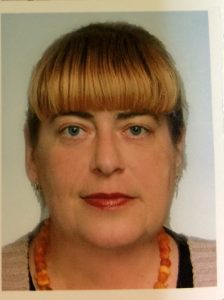
BELARUS-MOLDOVA-UKRAINE. In total the region has 91 official EHRA members, who were eligible to vote. From those 91 members – 40 participated in the meeting and cast the vote for their candidate, which means, that quorum was met, because 43,96% of members from the region participated in the elections of the SC member. 3 votes were counted as not eligible.

The results of voting:

35 participants voted for candidate Yanina Stemkovskaya (87,5% of all valid votes)

5 participants voted against candidate Yanina Stemkovskaya (12,5% of all valid votes)

Yanina Stemkovskaya is elected for 3 years term as EHRA Steering Committee member to represent Belarus-Moldova-Ukraine region.

SOUTH-EASTERN EUROPE. In total the region has 26 official EHRA members, who were eligible to vote. From those 26 members – 14 participated in the meeting and cast the vote for their candidate, which means, that quorum was met, because 53,85% of members from the region participated in the elections of the SC member. 1 vote was counted as not eligible.

The results of voting:

Irena Molnar – 11 votes (78,57 % of all valid votes)

Marija Radovic – 3 votes (21,43 % of all valid votes)

Irena Molnar is elected for 3 years term as EHRA Steering Committee member to represent South-Eastern Europe region.
Regional meetings in Baltic states and Central Asia regions were not held, according to the Regulations of the Steering Committee of Eurasian Harm Reduction Association. Article 8.7. of the Regulations states: “However, if a sole nominee is entering the second term of Steering Committee membership, he/she is appointed without the elections”. In each of above-mentioned regions, EHRA received per one application from current Steering Committee members:

Jurgita Poškevičiūtė (representing Baltic states region)


and

Oxana Ibragimova (representing Central Asia region).



In this case, both candidates are appointed to be Steering Committee members without elections for the second term.

Regional meetings of EHRA members to elect Steering Committee members in the Belarus-Moldova-Ukraine, Central Europe and South-Eastern Europe regions

On 18-31 January 2021 EHRA conducts online Regional Meetings of its members to elect new Steering Committee representatives in the following regions:

1) Belarus, Moldova and Ukraine;

2) Central Europe (Czechia, Hungary, Poland, Slovakia, Slovenia);

3) South-Eastern Europe (Albania, Bosnia and Herzegovina, Bulgaria, Croatia, Montenegro, North Macedonia, Romania, Serbia, the Kosovo territory).

ATTENTION! Regional meetings in the Baltic states (Estonia, Latvia, Lithuania) and Central Asia (Kazakhstan, Kyrgyzstan, Tajikistan, Turkmenistan, Uzbekistan) regions will not be held, according to the Regulations of the Steering Committee of Eurasian Harm Reduction Association. Article 8.7. of the Regulations states: “However, if a sole nominee is entering the second term of Steering Committee membership, he/she is appointed without the elections”. In each of above-mentioned regions, EHRA received per one application from current Steering Committee members: Jurgita Poškevičiūtė (representing Baltic states region) and Oxana Ibragimova (representing Central Asia region). In this case, both candidates are appointed to be Steering Committee members without elections.
All EHRA members (individual and organizational), who are from the regions, where elections are taking place and who are approved by the Steering Committee, have a right to vote in the Regional meetings.

If you have any questions, please contact Secretary of the Regional meetings – Eliza Kurcevič members@harmreductioneurasia.org


Belarus-Moldova-Ukraine

Yanina Stemkovskaya

Ukraine

Know your candidate
Motivation letter 

Central Europe

David Pesek

Czechia

Know your candidate
Motivation letter 


Magdalena Bartnik

Poland

Know your candidate
Motivation Letter

South-Eastern Europe

Irena Molnar

Serbia

Know your candidate
Motivation letter  


Marija Radovic

Montenegro

Know your candidate
Motivation Letter 

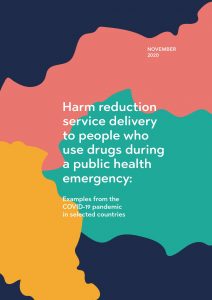
Harm reduction service delivery to people who use drugs during a public health emergency

Harm reduction service delivery to people who use drugs during a public health emergency: Examples from the COVID-19 pandemic in selected countries

Virtually every country of the world has been faced with the COVID-19 pandemic. As learning developed as to how to combat transmission of the virus, countries increasingly resorted to national ‘lockdowns’ during the first wave of the pandemic from around March to June 2020. After coming out of the first wave of COVID-19, countries have used local, regional and national ‘lockdowns’ to once again prevent further transmission during the second wave and similar approaches are expected in the future in the event of further waves of the pandemic hitting countries until every country can vaccinate a high proportion of their population. For those people who are highly drug dependent, with a resulting compromised immune system, COVID-19 presents a serious threat to life regardless of age. Governments, non-governmental (NGOs) and communitybased organisations (CBOs) working to support people who use drugs, and other vulnerable and marginalised people in society, have had to react rapidly to the massive increase in COVID-19 transmission across countries and continents. The ten case studies presented here provide a snapshot of the responses of specific organisations and communities who work with people who use drugs and some other marginalised groups around the world, including Afghanistan, Australia, the Czech Republic, Kenya, Poland, Russia, Spain, Switzerland, Ukraine and the United Kingdom.

Extended: We are looking for consultants to conduct the assessment of the fulfillment of HIV related sustainability commitments given by the national governments in the context of country transition from the Global Fund’s support to national funding

We are looking for the consultants to conduct the assessment of the fulfillment of HIV related sustainability commitments given by the national governments in the context of country transition from the Global Fund’s support to national funding in the following countries: Bosnia and Herzegovina, Georgia, Montenegro, North Macedonia and Serbia

Background

Being a partner of the Alliance for Public Health, the All-Ukrainian Network of PLWH 100% Life and other regional and national partners in the implementation of the Global Fund funded regional HIV project “Sustainability of services for key populations in Eastern Europe and Central Asia”, the Eurasian Harm Reduction Association (EHRA) is aimed at the improving the financial sustainability and allocative efficiency of HIV programs in EECA countries.

To contribute to this objective, EHRA is planning to conduct the assessment of the fulfillment of HIV related sustainability commitments given by the governments of 5 EECA countries in the context of their transition from the Global Fund‘s support to national funding. It is expected that based on the results of such assessment the key civil society regional and national partners working in those selected countries, will be able to adjust their advocacy efforts and actions to improve the financial sustainability and allocative efficiency of HIV national programs.

For that purposes in 2020 EHRA has developed a methodology and tools to conduct such assessment on a periodic basis.

EHRA is looking for 5 national consultants (1 per each country) to help with conducting such assessments in Bosnia and Herzegovina, Georgia, Montenegro, North Macedonia, and Serbia.

In Bosnia and Herzegovina and North Macedonia, the assessments will be conducted retrospectively, taking into account that the implementation of the last Global Fund HIV grants ended in these countries in 2016 and late 2017 respectively.

 Key tasks to be conducted by the consultants

 The consultants are expected to conduct in each of 5 countries the national assessment process in accordance with the Assessment Guide “Benchmarking Sustainability of the HIV Response in the Context of Transition from Donor Funding” to be provided by EHRA. The assessment process should include the next stages:

  1. Scoping: Identify and collect a set of strategic and programmatic documents, including national laws and regulations relevant to the transition process through desk review and interviews with key stakeholders.
  2. Conduct a review of those documents with the purpose to identify the government’s commitments with regards to transition; formulate and group commitments per the guidance provided by EHRA. The consultant should also identify where public/government’s commitments are deficient to properly address transition challenges or to be monitored.
  3. Coordinate and work with the national reference group to be composed of community representatives and national experts and engage them in (i) selecting priority commitments for the monitoring; (ii) define formulation of commitments if those are not sufficiently elaborated in public documents; and (iii) elaborate additional commitments if considered absolutely necessary for transition process monitoring.
  4. Collect data through desk research and/or key informant interviews aimed to measure progress for the selected set of commitments.
  5. Input selected indicators into the Transition Monitoring Tool to calculate the score; and,
  6. Write an analytical report to summarize the findings.

A Sample Outline of the National Report is provided in Annex 5 to the Assessment Guide. The report should include contextual sections, findings, and conclusions for each of the assessed commitments as well as general conclusions and recommendations for key national stakeholders.

 Deliverables:

1.A. Repository and mapping of documents relevant to the transition process (placeholders) and containing the government’s obligations with regards to transition (intentional or officially approved).

1.B. Repository of commitments, which the country (relevant public/governmental agencies) has committed to implement in support of transition of HIV response.

  1. Filled in Transition Monitoring Tool.
  2. Analytical Report on the results of the assessment of the fulfillment of HIV related sustainability commitments given by the national government in the context of the country transition from the Global Fund’s support to national funding.

The language of the resulted documents should be English.

The total contract cost for the work of one consultant under this ToR should not exceed 3,000 USD (including all taxes). 

Full ToR please find here

How to apply

The individual consultants are invited to submit their CV and the Letter of Interest by e-mail referenced under title “Consultant to conduct the assessment of transition related commitments in [name of the country you are interested to conduct the assessment in]” to ivan@harmreductioneurasia.org by COB 22 of January 2021 24:00 EET.

New words in 2020

Looking back over the past year, the Eurasian Harm Reduction Association has found that several words have become solidly integrated into everyday use.

We have learnt a lot this year and we have a lot to look forward to in the New Year, 2021. You can call us eternal optimists, but we believe that we will make it through the difficulties, safe and strong! May we all have a strong spirit and new achievements!

This year we really want to greet everyone personally and wish something unique and unusual. We have hidden our wishes in a gift, and it takes only one click to receive it!

Online Training: “Access to comprehensive care for women who use drugs in case of violence”

In November 2020, EHRA launched the ‘Access to comprehensive care for women using drugs in case of violence’ project aimed at increasing access to legal, psychosocial (including psychiatric) services and shelters for women who use drugs in case of violence.

The project is implemented in collaboration with the Alliance for Public Health as part of the Multi-country Project “Sustainability of Services for Key Populations in Eastern Europe and Central Asia” (aka #SoS_project) and funded through the COVID-19 Response Mechanism (C19RM) of the Global Fund to Fight AIDS, Tuberculosis and Malaria.

On 10, 11 and 14 December 2020, the project held an online training on ‘Organising Care for Women who Use Drugs and are Victims of Gender-Based Violence’.

The training programme included the following topics:

Women who use drugs and women from other social groups in situations of gender-based violence, domestic violence, intimate partner violence. Needs, problems, existing services.
Gaps in government services and NGO services for women who use drugs.
Provision of services for women who use drugs in situations of violence by organizations and harm reduction organizations.
Build partnerships with organizations working to provide services to women in situations of violence. Fragmented analysis of potential partners.
Safety issues for women who use drugs and female staff members assisting in situations of gender based violence/ intimate partner violence.
Thirty-seven participants registered for the training. During the three days the maximum number of participants was 18, and the minimum number was 10. Participants were from the following countries: Georgia, Netherlands, Kazakhstan, Kyrgyzstan, Moldova, Serbia, Slovakia, Russia, Ukraine.

The experience of the participants in working with issues of women who use drugs and survivors of violence varied greatly: from impressive (e.g. Harm Reduction Network, Kyrgyzstan) to almost zero (e.g. ReGeneration, Serbia).

The next step in the project is to work with partner organizations through grants in 5 countries – Serbia, Macedonia, Kazakhstan, Russia and Ukraine. Activities in the countries will be as follows:

Documenting cases of violations of the rights of women who use drugs in case of violence; documenting their situation with access to psychosocial and legal services and shelters, crisis centres.
Advocacy, both at the level of decision makers and at the level of individual shelters, to change the rules and practices of shelters to accommodate women who use drugs in case of violence.
Train shelter staff to work with women who use drugs and collaborate with harm reduction programs.
Improve the quality of shelter services for women who use drugs and survivors of violence.
Also, recommendations on the provision of comprehensive services for women who use drugs and survivors of violence, including shelters/crisis centres, psychosocial and legal services, have already been initiated and will be developed in 2021 as part of the project.

We hope that the recommendations will be useful to country partners as well as to other organizations and groups seeking to improve access to comprehensive support for women who in case of violence.