Ensuring sustainability of services for key populations in the EECA region: initial expert meeting to take stock of budget advocacy efforts was organized 9-11th of December 2020

At 9–11th of December 2020 budget advocacy, sustainability and transparency regional and national experts gathered online to take stock of what has been achieved over the past few years – taking into account the realities of the transition of HIV responses for key populations from donor support to national funding, limited donor resources for the Eastern Europe and Central Asia (EECA) region, and new economic and public health challenges including the COVID-19 pandemic. The dialogue aims to explore whether and how to budget advocacy efforts have impacted state budget funding for HIV services for key populations in the region, what critical elements of budget advocacy have made a difference, and what donors should take next steps to support further efforts by CSOs in budget advocacy for key population HIV services to be fully covered by national budgets in the region. The crises caused by the COVID-19 pandemic have significantly altered situations and contexts and added new urgency to the need to understand how to influence budget decisions effectively. There are huge risks associated with adjustments and replanning of all public health funding that many countries are doing in response to the crises because these changes could lead to lack of funding for HIV responses among key populations.
This meeting is part of the broader regional dialogue and analysis organized by the Eurasian Harm Reduction Association (EHRA) in partnership with Open Society Foundations; the Global Fund to Fight AIDS, Tuberculosis and Malaria; and the Eurasian Coalition on Health, Rights, Gender and Sexual Diversity (ECOM) and supported by the Robert Carr Fund for civil society networks.
This rare gathering of experts is part of ongoing efforts in the region to safeguard and improve people’s health and rights vulnerable to and living with HIV and other stigmatized conditions. Sustainability of services is the ultimate goal, with the transition from external to domestic funding being the process through which countries move as donor support decreases and then stops.
International donors have been withdrawing from support for HIV and other health programs in EECA for several years. Many countries no longer receive or are eligible for, funding from the Global Fund to Fight HIV, Tuberculosis and Malaria (Global Fund). Among other significant funders over the years, the UK Department for International Development (DFID) ended its support in the region several years ago, the US President’s Emergency Plan for AIDS Relief (PEPFAR) provides only small amounts of funding in a few countries, and the Dutch Ministry of Foreign Affairs, the German Agency for International Cooperation (GIZ) and the French 5% Initiative no longer consider the region a priority. Most of these funders provided critical financial and technical support for HIV prevention and other services for key populations, including people who inject drugs, men who have sex with men (MSM) and sex workers. The programs usually cannot survive international donor withdrawals unless they have access to domestic funding, especially from the public sector.

Budget advocacy work and transition experiences across EECA have varied in terms of overall success and the actions taken by civil society advocates, governments and donors to plan for and respond to donor withdrawals. The three-day initial meeting of the dialogue, which was held online and had more than 40 participants each day, included several comprehensive presentations of transition-related activities regionally and at the national level. The five-country examples from Kazakhstan, Kyrgyzstan, Ukraine, Moldova and North Macedonia highlighted different activities and methods used to secure the sustainability of funding for HIV response services specifically for key population – before, during and after transition processes. They served as the basis for group discussions about opportunities and challenges for this type of work across the region. The online meeting concluded with participants proposing suggestions and recommendations for priority actions to promote and ensure investment in health and social services for key populations in EECA.
During January – March 2021 the regional analysis and dialogue “Taking stock of budget advocacy efforts to date in EECA region” will continue with Budget advocacy effort and impact mapping for the past three years in the EECA region and Consultation to develop recommendations for regional partners on investment into sustainability of HIV- services for key affected populations, which is planned to organize in March 2021.
The key lessons learned on a national and regional level, methodical tools for analysis and preliminary recommendations from the initial meeting could be found in the detailed report (download the meeting report)
The submission to the Committee on Economic, Social and Cultural Rights (CESCR) ahead of Lithuania’s Periodic Review

The submission to the Committee on Economic, Social and Cultural Rights ahead of Lithuania’s Periodic Review was submitted on behalf of the Eurasian Harm Reduction Association (EHRA), Harm Reduction International (HRI), the Association of Women Affected by HIV/AIDS and Their Family Members “Demetra”, Coalition “I Can Live”, Support Foundation “Rigra” and youth-led NGO “Young Wave”.

Focusing on the right to health, this submission is highlighting the failure of the Government of Lithuania to implement the State program on drugs, tobacco and alcohol control for 2018–2028 in line with its obligations under the International Covenant on Economic, Social, and Cultural Rights (ICESCR), with particular attention to:

  • Repressive drug policy as a barrier to achieving the realization of the highest attainable standard of physical and mental health for people who use drugs in Lithuania
  • Access to health services for people who use drugs in prison
  • Lack of health care, harm reduction and psychological support services in the community (outside prisons) for people who use drugs.

Questions for the list of issues

In view of the mentioned above, we recommend that the Committee considers including the following questions in the List of Issues that will be presented to Lithuania:

  1. Please indicate the steps taken to review and change legislation criminalizing personal drug use and assess the impact of repressive regulation on prison overcrowding.
  2. Please provide information on how does the government plan to introduce new harm reduction interventions and increase the accessibility of currently available harm reduction services in prison.
  3. Please provide information on how does the government plan to ensure sustainability of funding, availability and (expansion of the coverage of) the following services for people who use drugs:

a) Introduction of community HIV testing;

b) Scale up of antiretroviral therapy

c) Scale up of opioids substitution therapy

d) Expansion of low-threshold services,

e)Distribution of Naloxone

f) Implementation of harm reduction services in the penitentiary system

Please see submission here

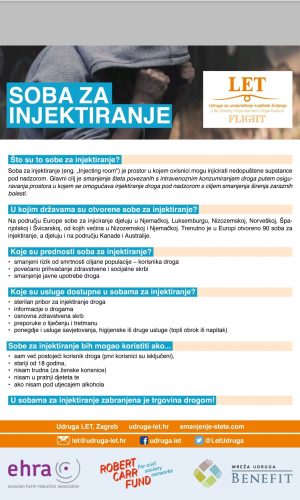
In progress: Drug consumption rooms in Croatia

FLIGHT

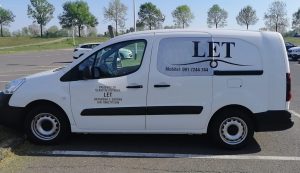
Life Quality Improvement Organization “FLIGHT” or just “FLIGHT” (in Croatian: LET) was registered in early 2003 and has been implementing needle exchange programs since its beginning. Besides direct work with people who use drugs, FLIGHT was always focused on promoting the effectiveness of harm reduction programs, conducting research, developing publications, working at EU level at number of networks, including the EU Civil society Forum. FLIGHT is the only organization providing programs for sex workers, twice per week at night hours in the center of Zagreb.

Organization has 4 staff members, including two social workers and two outreach workers, and has been implementing so called mobile outreach (with two vehicles) and has established 22 sites where users can come and exchange their used needles and syringes with the new ones, as well as ZAGREB ZOVI- where we deliver syringes to the users that live outside of those 22 sites.

Could you please share, why you decided to focus on drug consumption rooms as harm reduction service in Croatia?

Drug consumption rooms were included as a possibility or one of the measures in the National guidelines on harm reduction. So, we thought that now was a great moment to work and develop more detailed information on it, because governmental bodies are planning a review of the guidelines. And it would be great if drug consumption rooms are better explained in the guidelines.

During the project, you conducted a needs assessment among PWUD in Croatia. Could you please share the main results from this assessment? How people are reacting to the suggestion to start opening DCRs in Croatia?

We collected responses from 120 people who use drugs from 5 cities. Most of them are in favour of safe injecting rooms. During needs assessment, 80% of them answered that DCRs are needed. What is more, they would like additional services to be provided in DCRs, such as: opportunity to get a coffee or soup. Also, it would be useful to have an access to psychosocial counselling. The only issue, that might occur with opening the site is the local neighbourhood and its residents, who wouldn’t be happy about DCR.

1

Another activity which was implemented by you – development of the policy paper on safe consumption rooms. Could you please share what this policy paper includes and for whom it’s developed?

This policy paper provides answers if DCRs should be opened in Croatia and what are the main obstacles. It includes a theoretical basis about injection rooms, data on injection rooms in Europe, analysis of legislation, and recommendations for further work. It will be used for the development of new Guidelines on harm reduction in Croatia. The policy paper will be presented to representatives of national and local authorities to raise the issue of DCRs opening.

Are there any legal barriers to open DCRs in Croatia? If yes, could you briefly share what they are, and are there any possibilities to overcome it.

According to the existing criminal legislation in the Republic of Croatia, it is not possible to implement a harm reduction program that includes the establishment and operation of drug injection. Criminal Code, Article 191 criminalizes venues that enable consumers to use drugs. We were working together with a lawyer in producing the analysis and came to conclusion that there are two options: 1) an Ireland model- they made a lex specialis on DCR in 2017 or 2) change the Criminal code (Article No. 191)- where the questionable issue in providing the venue for injecting is raised. In that specific article all types of assisting in injecting drugs are mentioned and some would argue that even existing needle and exchange programs are illegal, there has been a national consensus since 1996 that giving new equipment to users wouldn’t be seen as assisting in drug use. There are adjusting national documents such as strategy on drug abuse and HIV prevention that mention harm reduction in a positive manner. But the issue of “venue” remains problematic.

What do you think should be the next steps in starting/ promoting safe consumption rooms in Croatia? And what should be civil society’s role in all this?

We need to continue to lobby and raise awareness on the positive aspects of the DCRs. NGOs that implement harm reduction programs are very important in raising awareness and educating other stakeholders.

We have updated the website www.smanjenje-stete.com as well as our main website www.udruga-let.hr and will continue to promote the need for DCRs. Policy paper and leaflets will be available for raising awareness and I will be speaking at the national conference and presenting the work we have done with support from the Robert Carr Foundation and EHRA.

We have now access to international documents provided by our international speaker at the conference and desk review we did.As each developmental project it might take time to open a DCR but at least we have a good starting point:

  1. Users are eager and would like this kind of service
  2. Analysis was provided and will be included in the National guidelines on harm reduction
  3. Capacities of FLIGHT and BENEFIT organizations have been developed and
  4. We are talking and promoting harm reduction and its efficiency.

Text me on Telegram: online peer-to-peer consultations in Kazakhstan

Forum of people who use drugs (PWUD) Kazakhstan

Forum of people who use drugs (PWUD) Kazakhstan is a civil forum, a community of people who use drugs and their supporters, activists and experts in the field of drug policy, who areunited by  common goals and interests. The mission of the Forum is to mobilize people who use drugs for joint action and structural changes in Kazakhstan drug policy in accordance with the interests and needs of the PWUD, based on standards of human rights and fundamental freedoms, as well as standards of medical care and social support for the PWUD recommended by the World Health Organization (WHO). Currently, the Forum has 21 people - these are activists from 7 regions of Kazakhstan.

How did you decide to focus on the topic of peer-to-peer consultants? Why is this topic relevant in Kazakhstan?

Starting from 2014, there is a growth of the NPS market in Kazakhstan. Compared to other Central Asia countries, Kazakhstan has the highest number of NPS reported. More about NPSs in Kazakhstan can be found in the report “New psychoactive substance use in the Republic of Kazakhstan: Research results.

Most harm reduction services in Kazakhstan are oriented at opiate users, although the drug scene is changing: the opiate market is slowly disappearing. As a result, fewer people with opioid dependence are registered each year, while NPS appear on the market. With the changing drug scene, outreach work to support people with opioid dependence has become less effective.  Activists from the community of PWUD in their 30s are those who have been clients of harm reduction programs and started to use synthetics. Young people aged 12-30 who have never tried opiates now snort and smoke, prefer to smoke NPS, and mix substances with tramadol and stimulants (part of this group are directly related to darknet advertising, distribution, etc.) and then switch to injecting.

No one in Kazakhstan has previously implemented projects aimed at supporting people who use NPS in the online platforms. This topic was also new for us, but we already had little experience in consulting people who use NPS on social networks (Telegram) as volunteers in darknet. The project became an opportunity for us to do it more professionally and qualitatively with the ability to pilot its results to all interested parties to expand the package of services and subsequent implementation of the online consultation componentfor PWUD at the country level.

What is an online peer-to-peer consultation? How does it work? Tell us more about how you do these consultations.

Online peer consultation is the work in a variety of online formats:
-publications, posts with information on safe drug use that we collect and prepare ourselves (types of NPS, characteristics, effects, consequences of use; poly-drug use);
– thematic photos, GIFs, videos;
– trip-reports (when people share their personals stories related to substance use). It is a great  material, and it is always interesting to read it. It can also inform people about the negative consequences of using a substance they are trying for the first time;
– peer-to-peer psychological support is a support without shaming or blaming person, with the opportunity to share personal experience;
– referral to specialized professionals (psychologist, addictologist, infectious diseases specialist);
– online lawyer of the Forum of PWUD Kazakhstan;
– consultations on HIV/ AIDS, hepatitis, STIs;
– HIV testing;
– consultations on access to social and medical services;
– informing about the activities of PWUD Kazakhstan Forum, ENPUD, EHRA – organizations that support PWUD in the region;
– invitations to participate in open discussions, online webinars for PWUD;
– invitation to participate in the campaigns with the international community of PWUD;
– referrals, accompanying, personal face-to-face meetings;
– thematic surveys (HIV, hepatitis, on the content of the channel).

What problems did you face, when you started to provide online consultations?

The difficulties that we faced, when we started to provide online consultations are the distrust and closeness of users of Telegram channels. Even now for people who use NPS it is difficult to trust and understand that there are people in Kazakhstan, who are providing harm reduction services, who are openly speaking at one’s own risk about themselves, their experience of drug use, and support you psychologically. The difficulty is in the communication and personal contacts because some help implies private meetings, for example, social accompanying, and this kind of activity is excluded by the rules of Telegram users.

Only few people contacted the project lawyer. According to the results of a face-to-face survey, we realized that people simply do not trust such a service. It is something new for them, and it is difficult for people who use drugs to talk to a person with a legal background about personal use or to solve similar issues.

Please share your achievements in this small grant.

One of the most significant achievements of the project was the launch of three Telegram channels, where around 400 people subscribed. These are people who receive information on harm reduction,, what to do in case of overdose, receiving social, medical and legal assistance. The most important thing is that in case of any problems they know where and whom they can ask for help or advice.The audience also participated in two campaigns: on August 31 in the World Overdose Awareness Day and Support Don’t Punish (World Drug Day).

Users have also noted the value and necessity of the publications in the channels, as well as the existence of such content and the service in general.

Medical workers, the expert community, GFATM, representatives of international organizations in Kazakhstan also share this opinion. At the moment the information about piloting the service online – consultations were presented on two platforms, where all interested state parties (Kazakh scientific center of dermatology and infectious diseases, Republican Scientific and practical center of mental health,, CCM, etc.) and international organizations (UNAIDS, UNODC, GFATM, etc.) were present.

We mastered the skills of running Telegram channels, learned how to work through bot-support, and learned a lot of useful information while compiling and selecting material for publications. We gained experience in creating promotional materials focused on the needs of the community of people who use NPS.

Consultations and support for people who use NPS is also a new experience for us, and we are pleased with the result we got. Acceptance and trust is the most important thing.

Now that the project is over, people from other regions have joined the channels, and one of them asked us for support. Our consultant helped us to create a channel, and now we have another additional resource where we can talk about harm reduction.

Your recommendations for donors/government to promote this approach. What are the next steps?

  1. The Forum has planned further steps to improve and expand online services. For example, attracting funds to provide services of addictologist, psychologist, distribution of informational material on harm reduction. We submitted one grant application, now we are waiting for the results.

-Technical support (laptops, software to work with video, create promotional materials, etc.) is needed for the implementation of such projects;
– educational pieces of training, offline seminars;
– capacity building of the team, psychological support for online consultants;
– development of a security plan with the involvement of specialists as NPS attracts the attention of the police;
– organizational and personal security;
– IT security
– contacts of friendly lawyers, psychologists

  1. There is a need for intensive outreach work with NPS users. Access to prevention programs for new people will become more effective if information about services will be disseminated through Internet resources, pharmacies, mobile sites, nightclubs.
  1. It is not known precisely how many people are members of groups where sexual contacts are connected with the use of NPS. It is worth noting that offers of substance use in exchange for sexual services for girls are common in Тelegram channels. This type of “leisure” is popular.

The risks of HIV infection and other STIs are increasing significantly. Therefore, it is necessary to develop services aimed at the sexual and reproductive health of women who use synthetic substances, involving medical specialists (gynecologists, dermatovenerologists). It is essential to educate project consultants on specific topics of counseling, to provide lubricants, female condoms, etc. in larger quantities.

  1. Creation of an international online platform for communication on harm reduction for NPS users:

– Implementation of projects towards online consultation on NPS (sharing experience)
– Mobilization and support for people working with NPS issues
– trainings
– development of new concepts, plans, materials on NPS

Drug checking services in Serbia – To know what I am doing

Re Generation

NGO Re Generation is a youth-led, youth-based organisation working in the area of public health and human rights, focusing on specific issues related to vulnerable groups at risk regarding substance use. Re Generation is a specialised organisation contributing to fulfilling its aims through work on (drug) policy, research, education and advocacy concerning issues related to substance use and public health in Serbia. The foundation of the organisation has been contributing to actions toward setting a framework for different, innovative programs and views related to drug policies in Serbia with a focus on sustainable harm reduction programs, acknowledging and focusing on respect of human rights of vulnerable and marginalised populations in Serbian society. Throughout the years, the organisation has been actively participating in drug policy reform on the national and international level, advocating for improving public health and respect for the human rights of key target populations.

Re Generation is a team of 16 people, each and one contributing to the organisation based on their interest and specialisations. The organisation is led by the Assembly, which is a leading decision-making body and consists of all our members, employees, honorary engaged experts, volunteers and advisors.

Could you please share why you decided to focus on drug checking as a harm reduction service in Serbia?

We have been working in the recreational drugs area from the beginning. This helped us to observe changes in patterns of use, as well as substances used. In recent years, the emergence of NPS was quite visible, at the same time, the lack of harm reduction programs specifically for recreational users was more striking. As research on the use of NPS in Serbia showed the first reliable data focusing on users itself, we considered it as a basis to start a dialogue with the Government on how to improve services towards recreational users. It is beneficial for both country and users themselves.

Please, share what did you succeed to implement in the framework of the small grant project?

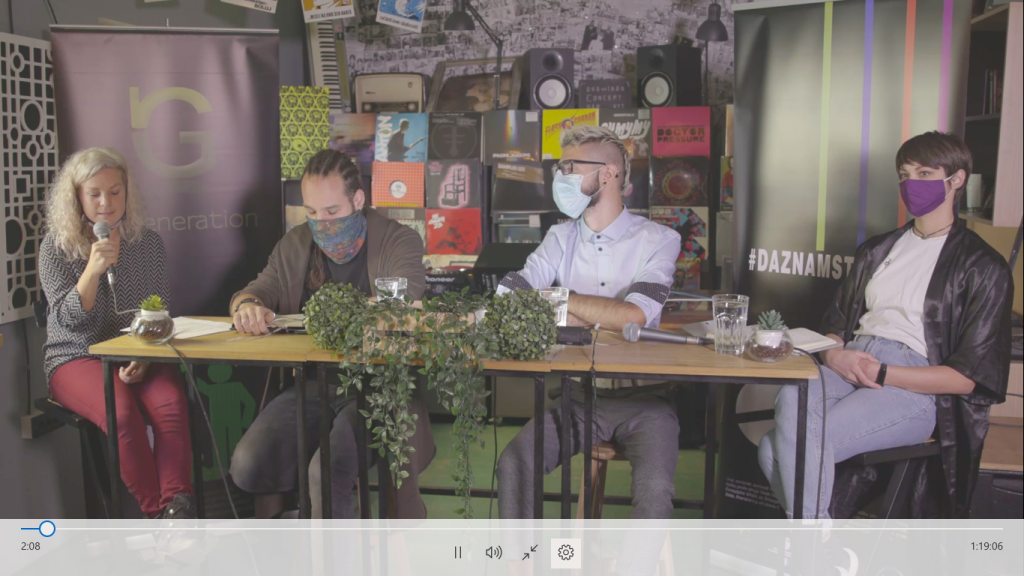
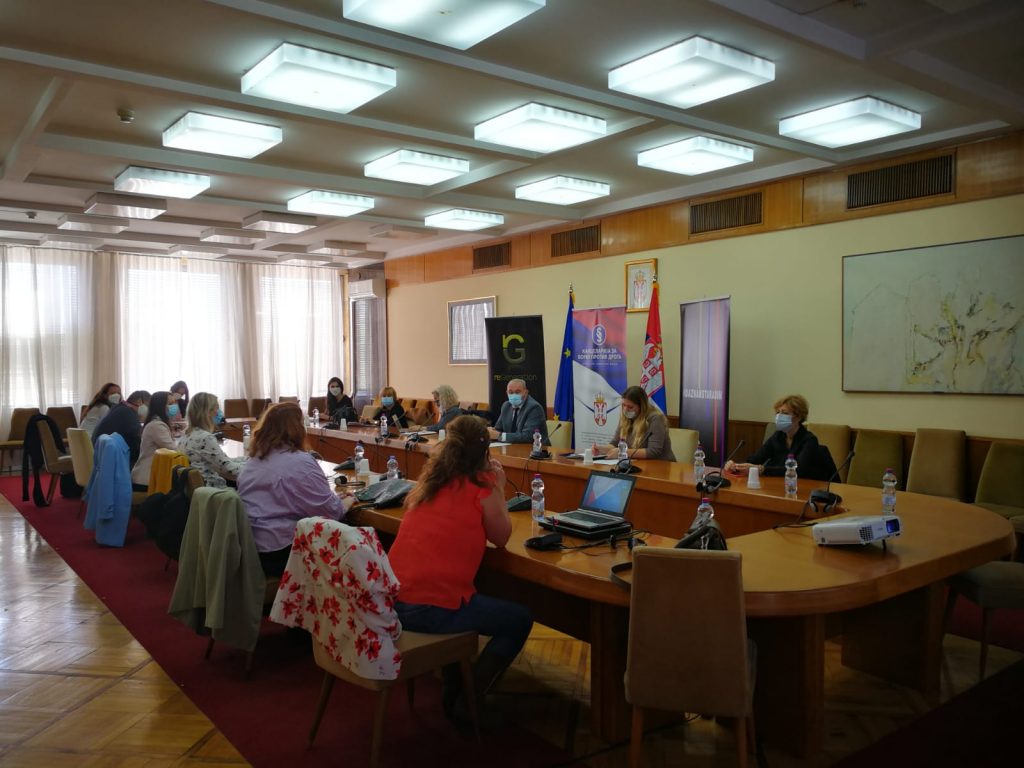
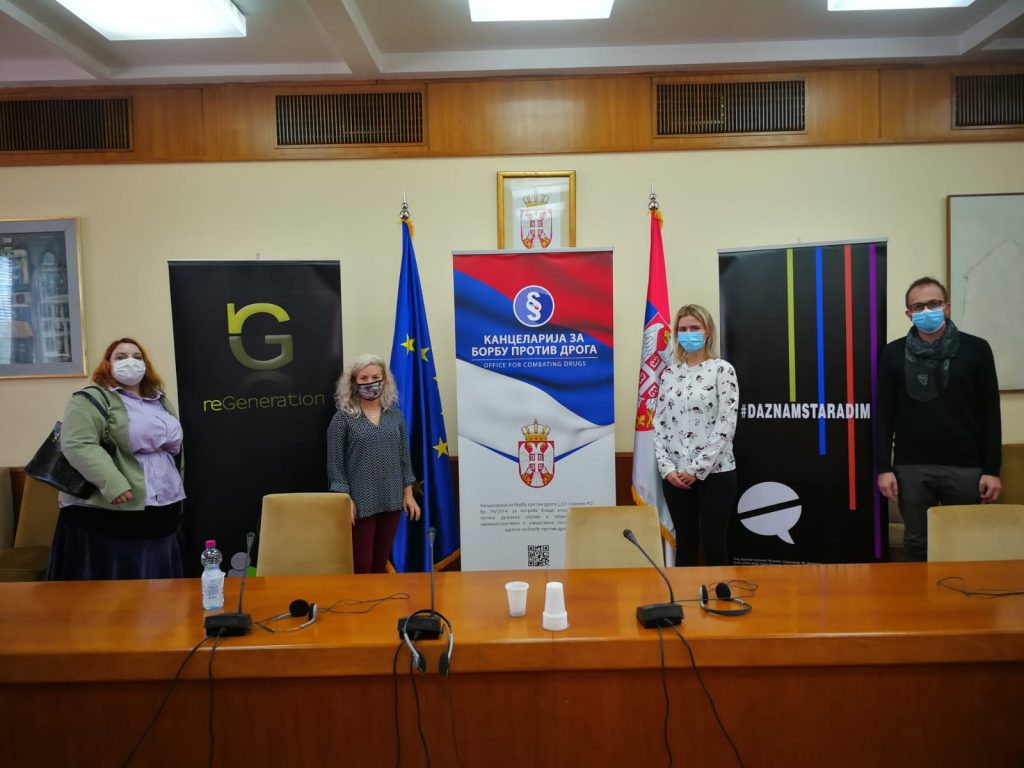
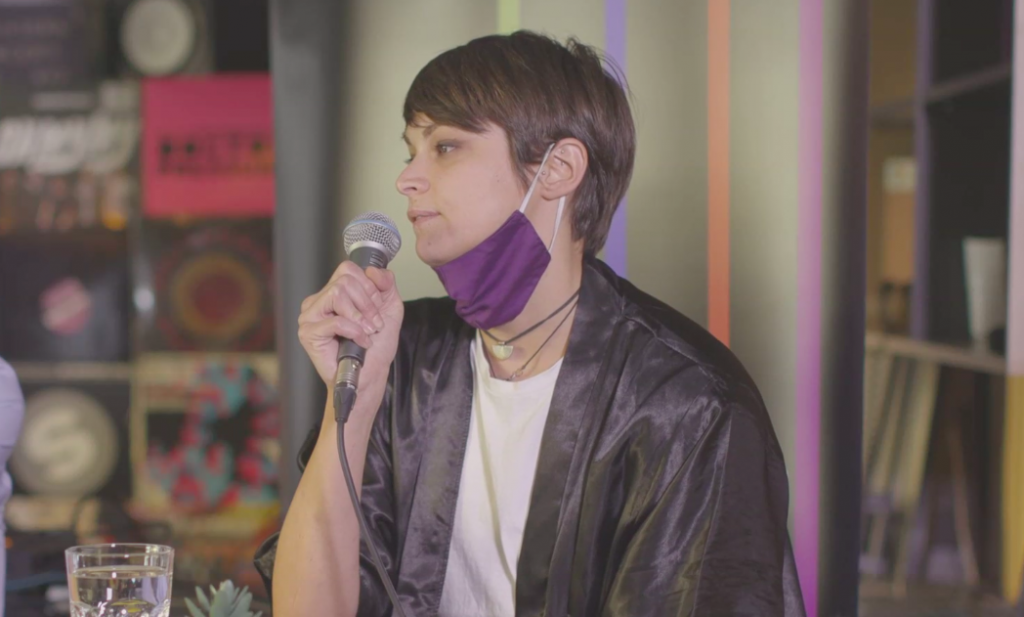
Through the implementation of the project, at first we got strategic support from the Office for combating Drugs of the Government of Serbia for program implementation. Then we held several consultations with state institutions, focusing on referent laboratory representatives that we first met, and discussed their needs in improving their work. Second, we consulted recreational users and representatives of CSOs on their opinions regarding drug checking services and NPS situation to better assess current problems, opinions and positions. After this we analyzed the policy about establishing drug checking services and designed Guidelines for improving Early Warning System (EWS) in Serbia, focusing on improvement of communication, research and cooperation, where a small part of the document is a proposal for services itself. We launched a webpage on our website, aiming to educate the broader public in what drug checking services are, adding up two interviews with our colleagues from Kosmicare and DrogArt to promote good practise examples to our followers! The project gave birth to a video on drug checking called #DAZNAMŠTARADIM (which means, to know what I am doing) that in short explained the purpose of Drug Checking and its benefits, that was watched more than 10.000 times by Serbian audience. The project ended up with two conferences, one for the government officials with the Office for Combating Drugs and ministry of health. During this section, we presented the guidelines. The second meet up for the community was broadcasted in social media and dedicated to the main question on drug use and mental health issue that increased due to Covid-2019 restrictions.

How these activities will help you in future advocacy for drug checking services?

Well, it is apparent that we needed reliable data to start the conversation, that was significantly supported with creating the Guidelines. The Guidelines that we made are just the starting point of the discussion that we wanted to initiate with the stakeholders. We are aiming to continue to work on them in the future, during the development of the next Drug Strategy as well as while creating the quality standards for harm reduction services in Serbia. We became more recognizable, visible and acknowledged not only from State institutions but also by the community. We believe that it is just the beginning of the development of services we all need.

One of your activities was to develop guidelines for drug checking. Could you please briefly explain what is this document about and for whom it is created?

The Guidelines for Improving Early Warning System and establishing drug checking services initially was planned to be a guide for setting drug checking services in recreational settings, analysing laws and drug policies and offer the guide based on evidence and best practices.

Through the detailed consultations with chosen stakeholders, we realised that our state, as well as the society and community, is not ready for such a leap into innovation. 

At the same time, we realised that what we have needs to be improved, and that is the Early Warning System for NPS. Then we created guidelines for enhancing the progress of research and data collection of NPS, capacity building and raising awareness on the benefits of drug checking. A small part was dedicated to proposing drug checking services as a tool that will help both community and Government Institutions. The document is only a basis for the conversation between community and state, as well as CSOs. The aim of it is to build an evidence-based response to NPS emergence and create services that will be focused on the protection of health and wellbeing of the (potential drug) users.

Did you face any challenges while implementing a small grant project? If yes – what kind of challenges and how they affected your work?

Implementation of project in the Covid-19 era was definitely a challenge, as communication with the state institution was really problematic. Some challenges in the framing of the Guidelines did exist. Still, open dialogue with all stakeholders and good cooperation and support from the Office for Combating Drugs in mitigating the difficulties really brought the best we can have in the current situation. Therefore, each activity was implemented without any changes.

What do you think should be the next steps in starting/ promoting drug checking in Serbia? And what should be the role of civil society in all this?

We initiated the conversation, but it’s tough to predict what will happen next. In the following months (hopefully) Serbia will start designing the new Strategy for Drugs, and together with that, it should bring the document such as Quality of standards for harm reduction services that will serve as a basis for service implementation in future. Both papers were at this point the basis of the future development that CSOs need to be more involved than before. In the past, the decision-makers involved the CSOs but at the consultation phases. I believe that cooperation should evolve if not to partnership level then definitely to a dialogue, where we will be recognized not as critiques of the Government but as equal partners. To my mind, only in such a way, the drug checking services are possible in future.

First hand story: Drug checking in Lithuania

Young Wave

“Young Wave” is a non-governmental organization, established by young people who use drugs and who are affected by harmful drug policies in Lithuania, to embrace each other and be a respectable and constructive part of drug policy formation. Mission of the organization is to create society where people using psychoactive substances have universal access to health and social services without a fear of being stigmatized or discriminated against.

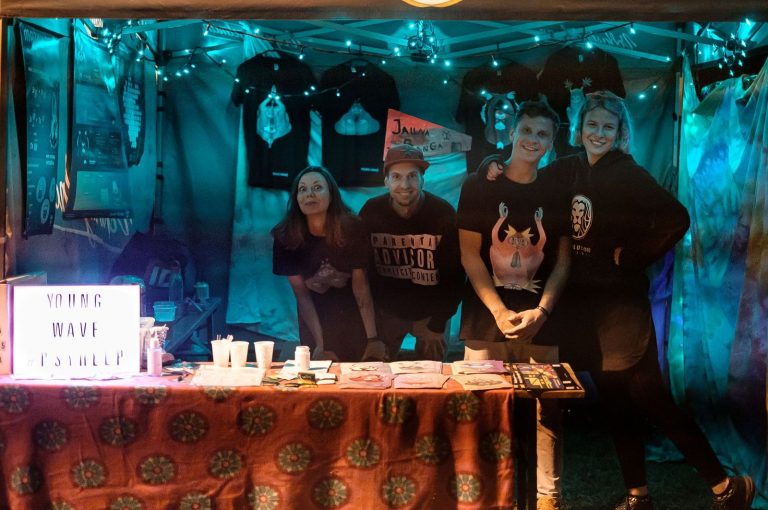
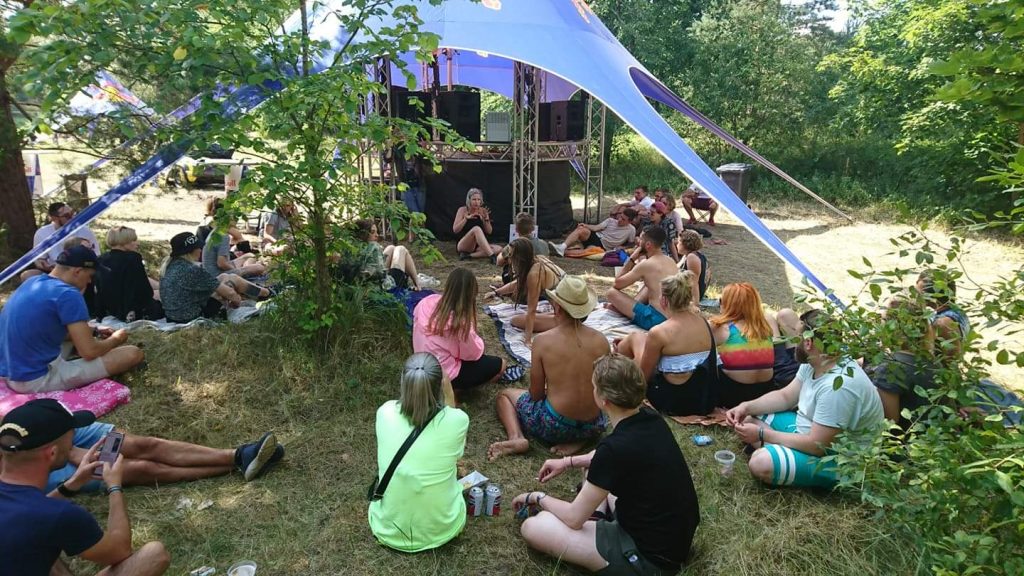
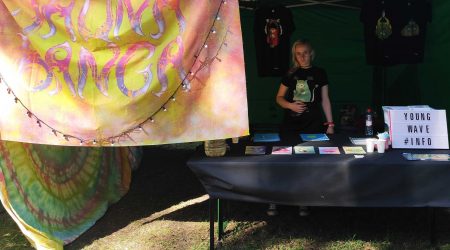
Organization provides a wide range of harm reduction initiatives. All harm reduction services provided by the “Young Wave” are based on the peer-to-peer approach. During 2017-2019, “Young Wave” participated in music festivals, where provided harm reduction and PsyHelp services: distribution of safer drug use equipment, information about psychoactive substances and minimization of the risks, related to it, as well drug checking (reagent tests), PsyHelp services. Moreover, organization seeks to make political and social changes by organizing discussions, conferences, seminars, trainings and different social activities, such as campaigns and workshops. 

Could you please share, how drug checking started in Lithuania and how you are implementing it?

It all started with a strong desire to create a better society. Harsh drug policies haven’t just failed to reduce the availability and use of drugs; however, they have created a whole set of problems. So, few young Lithuanians were actively involved in international drug policy issues. They were members of various international organizations, traveled worldwide, and saw inspiring harm reduction practices in other countries. One day, in 2017, they decided to unite and create the “Young Wave.” So now it’s the third year we are promoting humane drug policy and providing harm reduction services. Drug checking became a natural part of our services.

We are the first and only Lithuania organization to provide drug checking services in nightclubs and music festivals. Due to legal restrictions, we cannot use professional equipment to determine the full composition of the particular drug sample. For this reason, we use reagent tests that do not require the consultant to handle drugs. In short, we are distributing reagent test kits to people to check their substances and come back to us for the consultation. Even though reagent tests cannot show the sample’s full composition, they allow drug users to receive information on whether the sample contains the psychoactive substance they intended to use. Moreover, they can detect some of the novel psychoactive substances or identify particular contaminants.

Probably it’s important to mention that our services are not supported by government funding. We buy and distribute reagents with the financial support of the different small projects and individual support of people who use these services or believe in their necessity.

What was the reason that you started to implement drug checking as part of your harm reduction services?

As I’ve already mentioned, this was quite a natural decision that was based on evidence and the acceptable practices in providing drug checking in other countries. It’s vital to say that drug checking gives us a unique opportunity to reach a group of primarily young people who do not come to us otherwise. We seek to enhance their experience by providing information and sup¬port, which helps them stay safe and make safer and healthier choices. Moreover, drug checking is often the first point of contact with the social support system for many users. To be honest, before starting the distribution of reagent test kits, we didn’t know that the results will be so surprising and alarming. Alarming in a way, that lots of substances, which are tested, contain synthetic cathinone’s. Drug checking in Lithuania revealed a problem of new psychoactive substances, which was not that much discussed in Lithuania. We were the first organization, which started to communicate with society about new psychoactive substances and risks, related to the use of it.

This year, during the small grant project, you focused on the assessment of the pilot project of drug checking. Could you please share what are the main results, conclusions from your assessment?

Yeah, our primary goal was to assess drug-checking pilot intervention, which we were implementing the last 2 years. During the implementation of the small grant activities, we have participated in 4 festivals and events where we’ve provided harm reduction services (including drug checking) and conducted semi-structured interviews with clients. Moreover, we conducted interviews with various key stakeholders (nightlife professionals, peers, other harm reduction NGO’s, health authorities, other officials).

This year, when providing drug checking services, we’ve distributed 77 reagent tests to 46 festival-goers. 39 of them returned for further consultations with peer consultants. Various novel psychoactive substances were detected in the samples, such as mephedrone, methylone, 3-MMC. Ephedrine and lidocaine also were detected. After the results of testing, almost a third of users chosen not to use the substance or to use it less than they had planned or weren’t sure what they will do. It’s worth to mention that the vast majority of users planned to share tested substances with other people (ranging from 2 to 20 people, 5 on average). We notice that the information we provide could probably reach far more people and thus influence their decision to use the substance.

Most of the people who used our services reported they would use it again. More than 90% of them rated the service as very good. None of them gave a low rating to the service overall. Respondents valued the non-judgmental environment, where they were able to discuss their drug use and other drug-related questions.

However, we could identify the limitations of the current service. Clients of the service noted that they would like to find out the more detailed composition of the substance. We should stress it out, that even though service clients mentioned that they felt safe when talking to the peers, some of them were worried that someone, such as civilian officers, could follow and arrest them.

kablys

What do you think should be the next steps in promoting drug checking in Lithuania?

We have identified several improvements to consider in future service design and delivery, but now we should wait for a while. Lithuanian Parliament and the government has changed this year, so we expect some changes in drug policy that will facilitate the implementation of proper drug testing service. However, as for the first step, we believe that it would be essential to set up a stakeholder working group in which we should discuss the regulatory processes. We clearly see the need for networking and cooperation between the various stakeholders and actors, such as nightlife professionals, harm-reduction NGOs, health and law enforcement authorities. Networking would make it possible to create an effective drug checking mechanism, monitor emerging trends and develop early warning systems on the national level when needed.

piratecamp

EHRA 2020 International Human Rights Day Statement

10th of December 2020

International Human Rights Day is a great opportunity to commend all the efforts to ensure the rights and equity not just equality of our communities every day and draw attention to the remaining problems.

In 2020 the COVID pandemic exacerbated the situation with human rights and hit disadvantaged and marginalized groups the hardest. People who use drugs have been particularly at risk due to curfews, increased police control, limited access or closure of harm reduction services and decreased funding. Thanks to the efforts of international community lack of access to health services were addressed by the Special Rapporteur on the Right to Health and International Network of People who Use Drugs launched #PeersInThePandemic global campaign calling for reforms to harm reduction and treatment systems in light of the COVID-19 pandemic. Civil society stepped in to meet the needs of communities where the state is absent, ensuring the uninterrupted provision of harm reduction and social services during the quarantine, launching legal aid projects, and developing system of protection and support for women using drugs in case of domestic violence and human rights violations.

During the crisis the work of the human rights protection mechanisms is crucial. In March 2020 UN Human Rights Treaty Bodies called for human rights approach in fighting COVID-19. At the same time nearly all UN Treaty Bodies sessions scheduled for 2020 have been postponemed or cancelled. The situation varies from Committee to Committee, most of the Committees hold online sessions and accepts communication from civil society but the participation of NGOs is limited, and state party reviews have been postponed to 2021. The situation with the Committee Against Torture (CAT) is particularly bad as it cancelled all the sessions. Consequently, the report to CAT on the provision of harm reduction services to people who use drugs, in particular to those deprived of their liberty, and disproportionate fines for drug law offences in Kyrgyzstan, that EHRA together with Agora International Human Rights Group and «Harm Reduction Network» Association prepared was not accepted by the Committee. Amnesty International together with 522 organizations all over the world initiated the letter to the UN Human Rights Treaty Bodies and the Human Rights Treaties Branch of the OHCHR concerning their functioning during the COVID-19 pandemic. In addition to that, for International Human Rights Day the Observatory on the Universality of Rights (OURs) Working Group launched the Statement endorsed by 245 organisations and 83 individuals demanding that states and the UN take action to strengthen and defend the Special Procedures.

Despite the challenges that the OHCHR and the UN are undergoing a number of human rights treaty bodies have issued specific recommendations to States on a human rights-based response to the COVID-19 pandemic. Further, OHCHR published a Toolkit of treaty law perspectives and jurisprudence in the context of COVID-19.

When even the international human rights protection mechanisms fail, international and regional civil society becomes stronger and more united and we have to continue documenting cases of violations.

Together with international colleagues we demand from international human rights protection bodies to resume their work and address human rights violations in countries.

ANNOUNCEMENT OF EHRA MEMBERS ONLINE REGIONAL MEETINGS TO ELECT STEERING COMMITTEE MEMBERS

Dear EHRA members,

Eurasian Harm Reduction Association (EHRA) (Eurazijos žalos mažinimo asociacija), registered at Gedimino pr. 45-4, Vilnius 01109, Lithuania (actual address Verkių g. 34B-701, Vilnius) announces the convocation of the members regional meetings from the particular regions: Baltic States, South-Eastern Europe, Ukraine-Moldova-Belarus, Central Asia and Central Europe.

Please, find a list of all current Steering Committee members.

A list of Steering Committee members subject to rotation in the Regional meetings:

  1. Jurgita Poškevičiūtė (Baltic States)
  2. Yuliya Georgieva (South-Eastern Europe)
  3. Vitalii Lavryk (Ukraine-Moldova-Belarus)
  4. Oxana Ibragimova (Central Asia)
  5. David Pesek (Central Europe)

Schedule of elections:

From 7th December 2020 to 11th January 2021 – nomination process (5 weeks). Candidates are submitting their applications to participate in the Steering Committee elections in the above-mentioned regions.

From 18th to 31st January 2021 – online voting to elect Steering Committee members in five above-mentioned regions.

1st February, 2021 – announcement of the results.

We are inviting all EHRA members from the above-mentioned regions to submit applications to participate in the Steering Committee elections until 11th January 2021.

The requirements for the candidates are:

  1. be a member of EHRA;
  2. demonstrate readiness and ability to work responsibly and actively as a Steering Committee member;
  3. follow the principles listed in the Association Steering Committee Regulations;
  4. to reside within a region participating in the current elections;
  5. to avoid a potential conflict of interests, candidates cannot be representatives of Association’s donor organizations.

IMPORTANT INFORMATION FOR THE CANDIDATES!

  • According to the Regulations of the Steering Committee of EHRA, a country represented in a particular region may have only one representative in the Steering Committee who is elected through regional elections (Regional Meetings).
  • This means, that members from Bosnia and Herzegovina, Moldova, Kyrgyzstan, and Slovakia can’t apply for the SC elections in this round.

If you have any questions, please do not hesitate Secretary of the Regional meetings Eliza Kurcevic, on e-mail: members@harmreductioneurasia.org

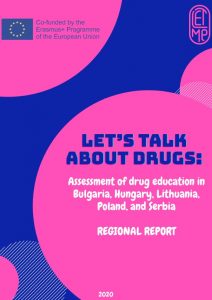
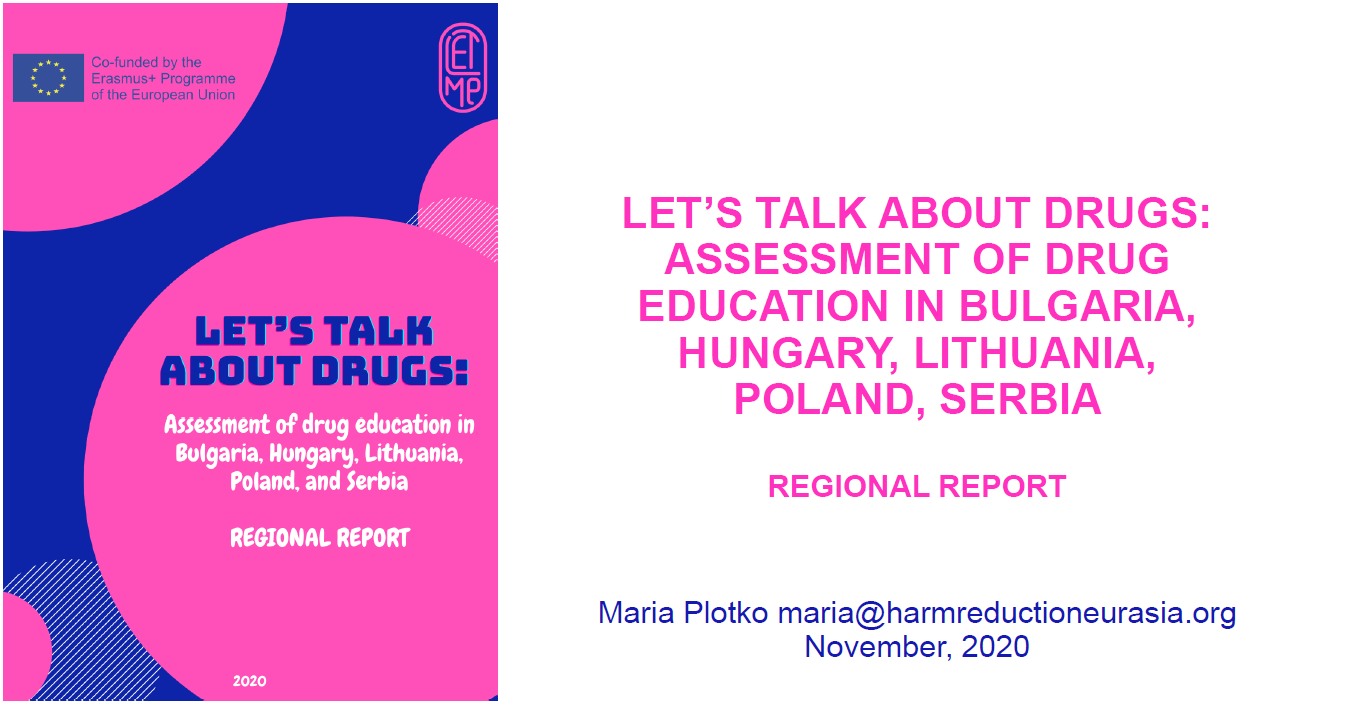
LEt’s Talk about drugs: Assessment of drug education in Bulgaria, Hungary, Lithuania, Poland, and Serbia

In June-July 2020 Rights Reporter Foundation, YODA, Re Generation, Young Wave and Center for Humane Policy conducted an assessment of drug education in Bulgaria, Hungary, Lithuania, Poland, and Serbia based on the methodology developed by EHRA within the LEt’s Talk about drugs – new MEthods of communication with youth – LET ME project funded by the European Commission (ERASMUS+ program). The goal of the study was to assess existing drug education and its effectiveness, look at what information on drugs is available and how it is perceived by young people, examine the methods and tools used by different actors to talk about drugs with youth, and gather best practices.

click on the picture to read the report in English
Bulgarian
Hungarian
Lithuanian
Polish
Serbian

Harm Reduction in Eurasia 2020 published in Russian

November 27, 2020, Vilnius

The Eurasian chapter of the Global State of Harm Reduction 2020 was presented and published today in Russian language.

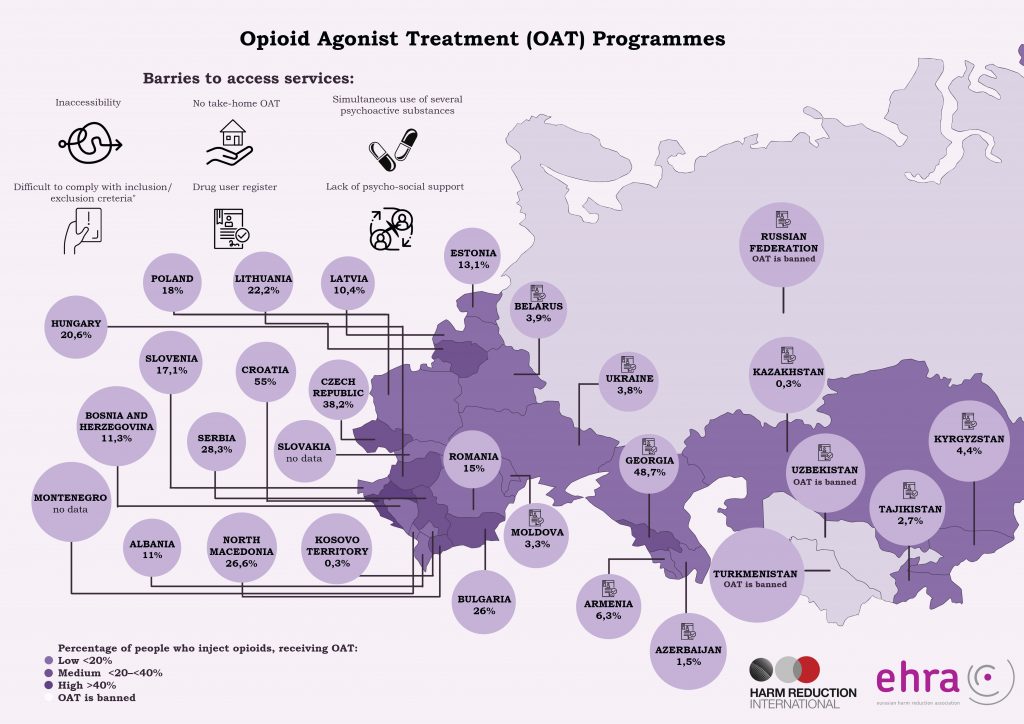
This is the seventh edition of the Global State of Harm Reduction Report 2020, prepared by the Harm Reduction International, now in the year when public health took a leading position in the world news. COVID-19 and response measures introduced around the world continue to disrupt our lives. The report provides the most up-to-date information on existing programs, the situation with HIV, viral hepatitis and tuberculosis among people who use drugs, as well as analysis of harm reduction programs in the context of the COVID-19 epidemic. The parts of the report describing the situation in the Central, Eastern Europe and Central Asia region were gathered and summarized by the Eurasian Harm Reduction Association (EHRA).

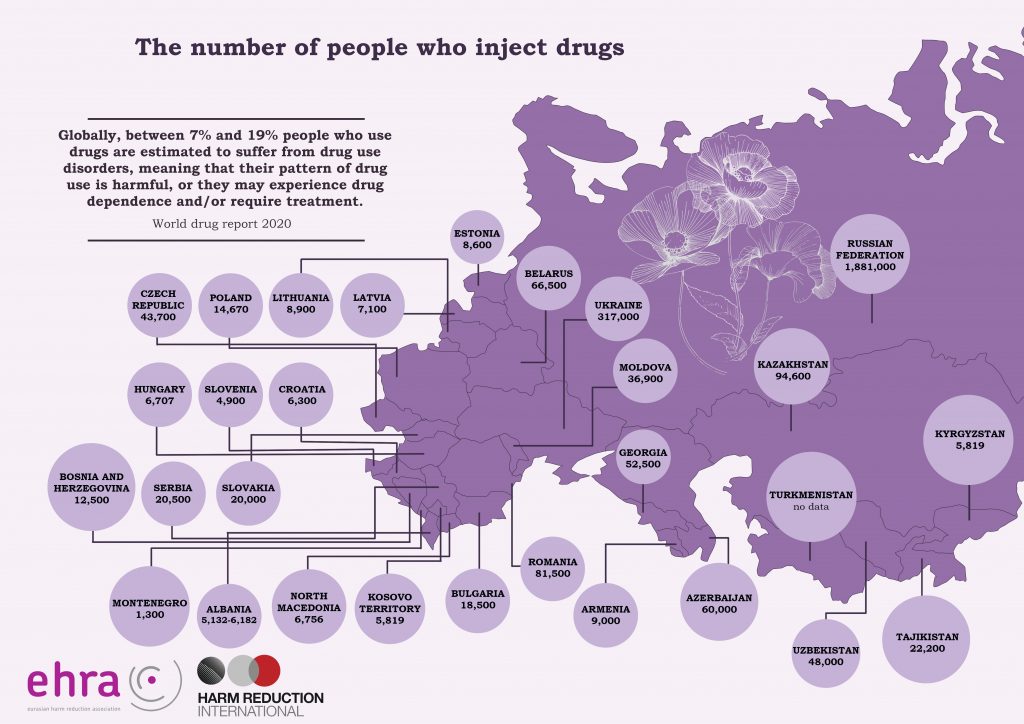
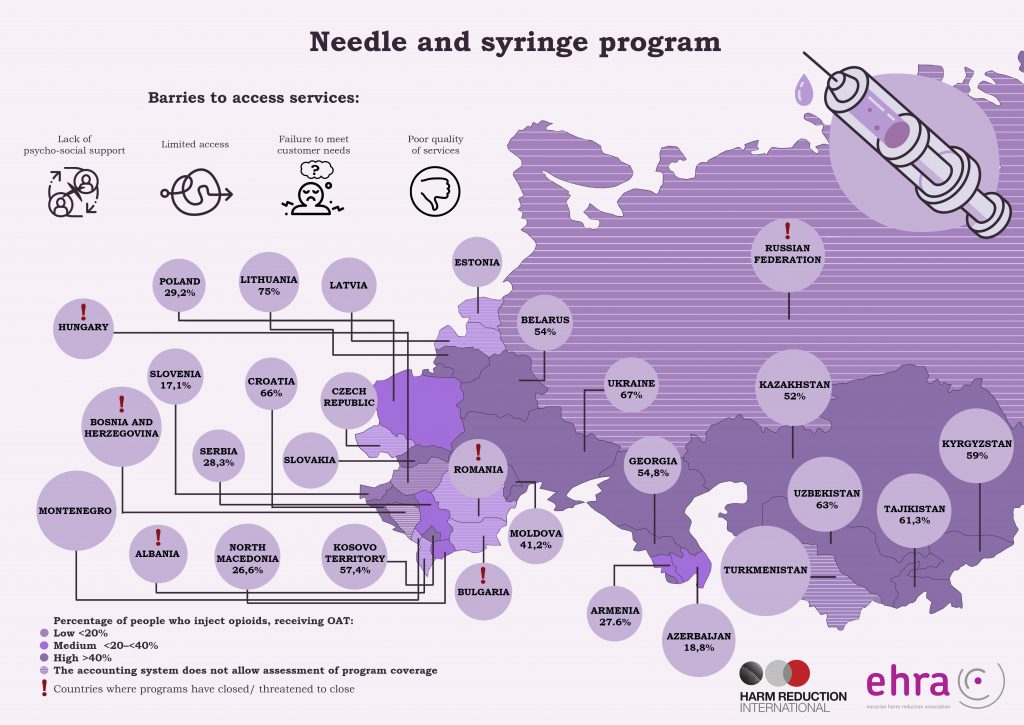
A short summary of the report is presented to the public during an online discussion today. In total, the region is home to approximately 3 million people who inject drugs, 66% of whom are living in Russia and 77% in Russia and Ukraine together.

Syringe exchange programs operate in 27 of the 29 countries in the region, except Turkmenistan and Bulgaria. Unfortunately, the programs experience problems in many countries, particularly with sustainable funding, especially in transitioning from donor to domestic funding sources. The report shows challenges in unit cost, scope and quality of harm reduction services over the past two years.

Opioid Agonist Treatment (OAT) programs are implemented in 26 of the 29 countries in the region, except Russia, Uzbekistan and Turkmenistan. Unfortunately, we can state that most people who use drugs in the region live in countries where OAT programs are prohibited. In the transition of OAT programs from donor support to domestic funding, the biggest challenges are the availability and coverage, quality, and sustainability of program funding.

The key problem areas for harm reduction implementation in the CEECA region are as follows:

  • Criminalization
  • Decrease in funding
  • Lack of political support
  • Pressure on civil society

As a result, we see low coverage of harm reduction services and poor quality of programs.

The report provides detailed information on the situation with HIV, TB, hepatitis, and COVID-19 response programs for people who use drugs in the CEECA region. It provides an analysis of the programs, as well as challenges in accessing services.

The report provides an opportunity to learn about innovative harm reduction practices being implemented in the countries of the region. Substitution therapy for amphetamine users, kits for smoking and oral use, drug checking, safe consumption rooms, harm reduction for women who use drugs and for new psychoactive substance users, as well as for those who use drugs in Chemsex practices (LGBTQI, sex workers) are all being actively implemented in the region by the community- and harm reduction organizations.

EHRA sincerely thanks its colleagues who helped us prepare this report through individual interviews and verification of data from countries and the region.

Loader Loading...
EAD Logo Taking too long?

Reload Reload document
| Open Open in new tab

Download