Poland’s first attempts at harm reduction started in the late 1980s with the introduction of needle exchange in response to the spread of HIV among people who use drugs. The current national drug policy strategy is defined in the National Health Programme, adopted in 2016 for a five-year period, which foresees “prevention and problem-solving related to the use of psychoactive substances behavioural addictions and other risky behaviours”, including prevention; treatment, rehabilitation, harm reduction and social reintegration; supply reduction; international cooperation and research and monitoring.
Healthcare services for drug-dependent individuals are provided through a network of inpatient and outpatient facilities, detoxification and drug treatment wards in hospitals, day-care and rehabilitation centres, drug wards in prisons and post-rehabilitation programmes.
Harm reduction programmes are co-financed by local governments and the National Bureau for Drug Prevention (NBDP)agenda of Ministry of Health. The Polish government’s decision in 2015 to use the money from gambling taxes for harm reduction and drug treatment in the country has led to increased financing in this field. According to Jan Stola, executive director of Youth Organisations for Drug Action (YODA), the funding for NGOs involved in harm reduction in Poland has doubled since then but it might change soon as there are plans to redistribute these funds.
HIV among people who use drugs and HIV testing services
In the past few years, Poland saw a rise in the annual HIV infections: in 2018, the number rose to 1,500, compared to 1,100 in 2015. HIV prevalence among people who inject drugs in 2017 was 21.2%.
In 2020, amid the coronavirus pandemic, a self-testing HIV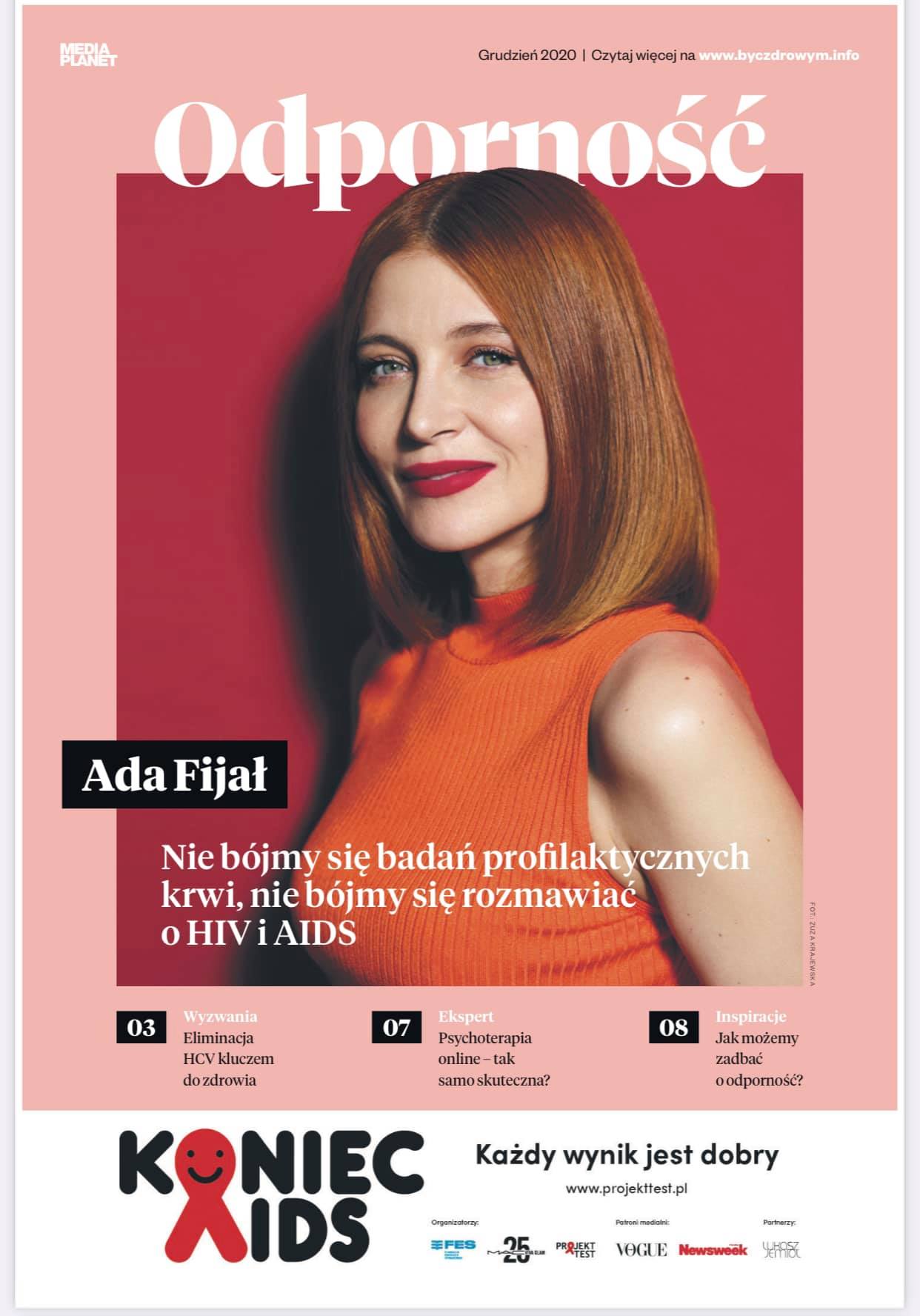 programme was introduced in Poland. An HIV helpline that assists with the tests was also set up and now receives an average of two hundred calls per week. According to Jan, the Foundation of Social Education was running a public awareness campaign, supported by MAC AIDS Fund, last year about HIV testing, the culmination of which was supposed to be a public music event that was cancelled because of the pandemic. “Unable to organize the concert, we had money left and agreed with the sponsors to spend it on HIV self-tests because we didn’t have them in Poland”, Agata Stola – director of Harm Reduction programme in Foundation of Social Education and Project Test coordinator – said. “We bought the tests directly from distributors and disseminated them for free. The Ministry of Health was pretty sceptical at first. Their main concern was that people who get positive results at home might be distressed, even commit suicide. We use the free helpline for this: explain to people how to use the tests and what to do if their result is positive. We also managed to convince the government of Warsaw to co-fund this project, so there is a good chance that it will continue. Moreover, one or two online pharmacies in Poland now sell the tests from the same producer, and people can buy these test kits for around 25 Euro per piece.”
Needle and syringe program
In 2017, 59,958 syringes were distributed through specialised programs, including 51 needle and syringe programme (NSP) centres throughout the country. According to Jan, there was a 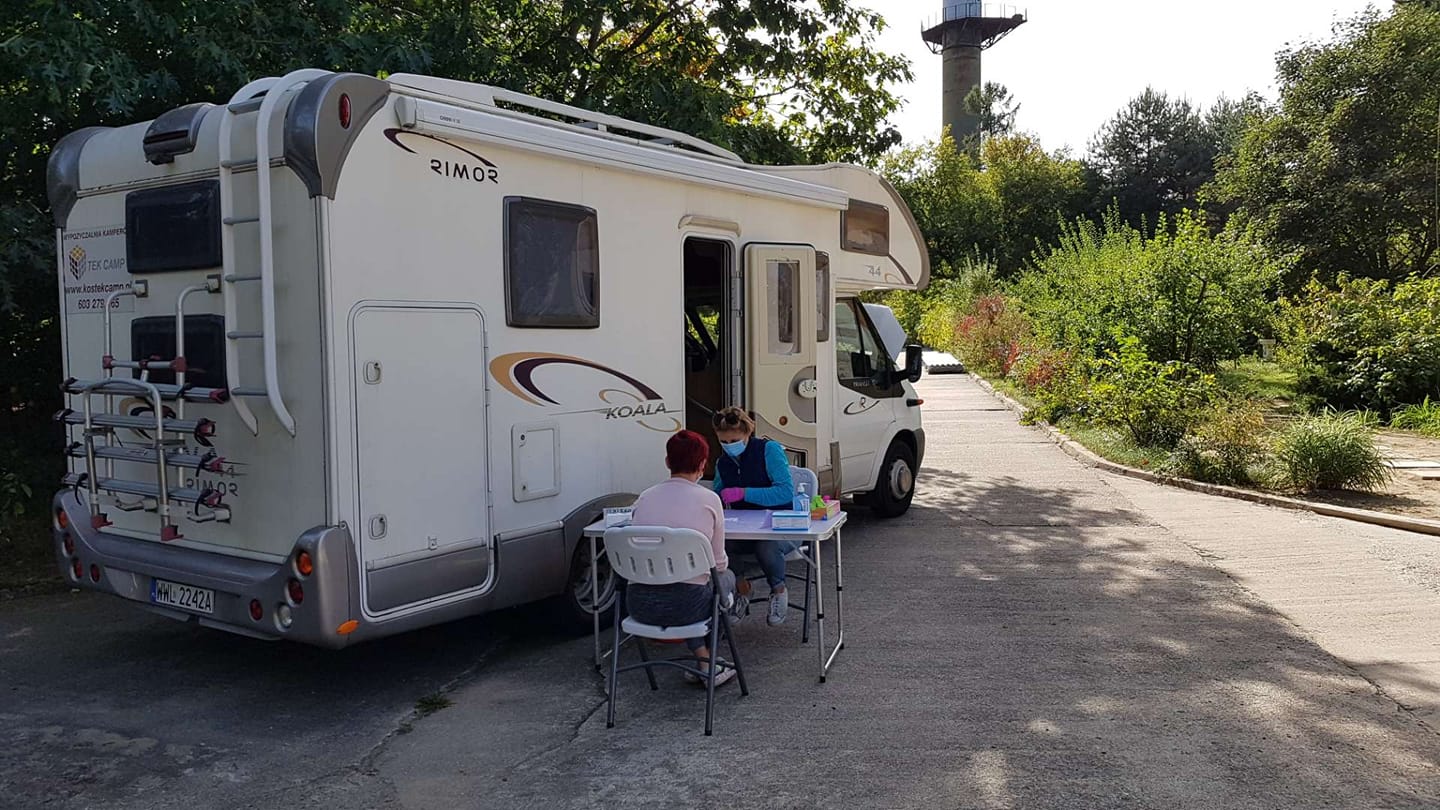 downward trend in the number of injection equipment distributed over the last ten years because people have switched to snorting or smoking. “I hear service providers complain about the lack of money for syringes, but not so many people need them anymore”, Jan explained. “Quite a lot of people who used to inject now switched to new psychoactive substances (NPS), which are cheaper.”
Since 2017, a first mobile harm reduction unit is operating in Warsaw by Foundation for Social Education that provides needle exchange and some basic social and medical services, including rapid finger quick testing for HIV, hepatitis C, and syphilies[11] .
Opioid agonist treatment
The estimated number of people who inject drugs in Poland is 14,670. Opioid agonist therapy (OAT) with methadone has been available in the country since 1993. According to the NBDP’s 2019 Drug Report, there were 2,797 clients in substitution treatment in Poland (coverage of about 18%) in the country’s 25 OAT programmes run by healthcare centres and prison services. Only public healthcare units with permissions from provincial governments and NGOs can deliver OAT. Not much psycho-social support is offered at these facilities, but the staff provide referrals to appropriate services.
“The biggest problem is that these clinics are not very keen to give the treatment for people to take home,” Jan Stola voiced the primary concern of OAT clients. “Though some can get their doses for a week or month, most still have to go there every day or once a week. Those who live outside larger cities sometimes travel for two or three hours. The situation is improving because the number of programs is increasing”. Polydrug users can enter the program, but concurrent drug use could lead to expulsion.
To help people with substance use disorders during the pandemic, Poland’s civil society started advocating for prescription-based substitution treatment, so that it could be bought in pharmacies. “The Ministry of Health is not against it because it would make the services cheaper,” Jan explained. “The state will refund some amount that people pay. It is less expensive for them just to give somebody a prescription than to operate entire clinics, and it is also more convenient for clients”.
In August 2020, the Polish Drug Policy Network launched advocacy, assistance and information activities focused on the pandemic and drug policy, aimed at protecting the health of people with substance use disorders and drug users. The organization offers direct online legal, social and professional help, provides information related to harm reduction, access to treatment and punishment for possession of drugs. They also appeal in cases of people detained, arrested and convicted for drug possession using various legal tools, such as electronic supervision or early release from imprisonment, to prevent them from being exposed to COVID-19. The Network also conducts publicly available free webinars on psychedelic substances.
Overdose prevention
In 2017, 202 drug-induced deaths were officially registered in Poland. Naloxone cannot be bought in pharmacies, but ambulances, hospitals and harm reduction programmes carry it. “There was a chance a year or two ago that naloxone would be sold in pharmacies, but it didn’t materialise”, Jan recalled. “Primarily because of the myth that people overdose on purpose, officials blaming naloxone for overdoses because people supposedly stopped being afraid of dying. People are still reluctant to call an ambulance in cases of overdoses, scared that the police will implicate them, but we try to advocate that it’s OK to do this”.
According to Jan, the overdose statistics peeked in 2016, primarily because of the increased use of NPS. “They became very popular in Poland in 2008 when the first shop selling these substances opened in Poland”, Jan said. “In two years, 2,000 such shops opened up, and quite soon, about 10% 10% of the youth, about 3% of the general population started using these drugs. The number of overdoses started to rise after the government banned several of them, which were replaced with some even more harmful ones. They then banned another bunch of substances, and the same happened again – the number of overdoses was doubling every two years or so. In 2016-2017, we had close to ten thousand yearly non-fatal overdoses related to NPS use. These were mostly recreational users who thought that they were smoking something similar to cannabis, but it was, in fact, these very strong synthetic opiates or cannabinoids. In Katowice [about 500,000 inhabitants], 2,000 people were admitted to hospitals over one weekend because of one batch of very potent synthetic cannabinoids. After the drugs were tested, it turned out that somebody had put a comma in the wrong place when making the product, and it became ten times stronger than intended. The number of overdoses started to fall gradually, but it’s still very high, I believe, around 5,000 a year, but the cases are not added to official statistics. It became much harder to get these drugs after the government imposed a blanket ban on them in 2017”.
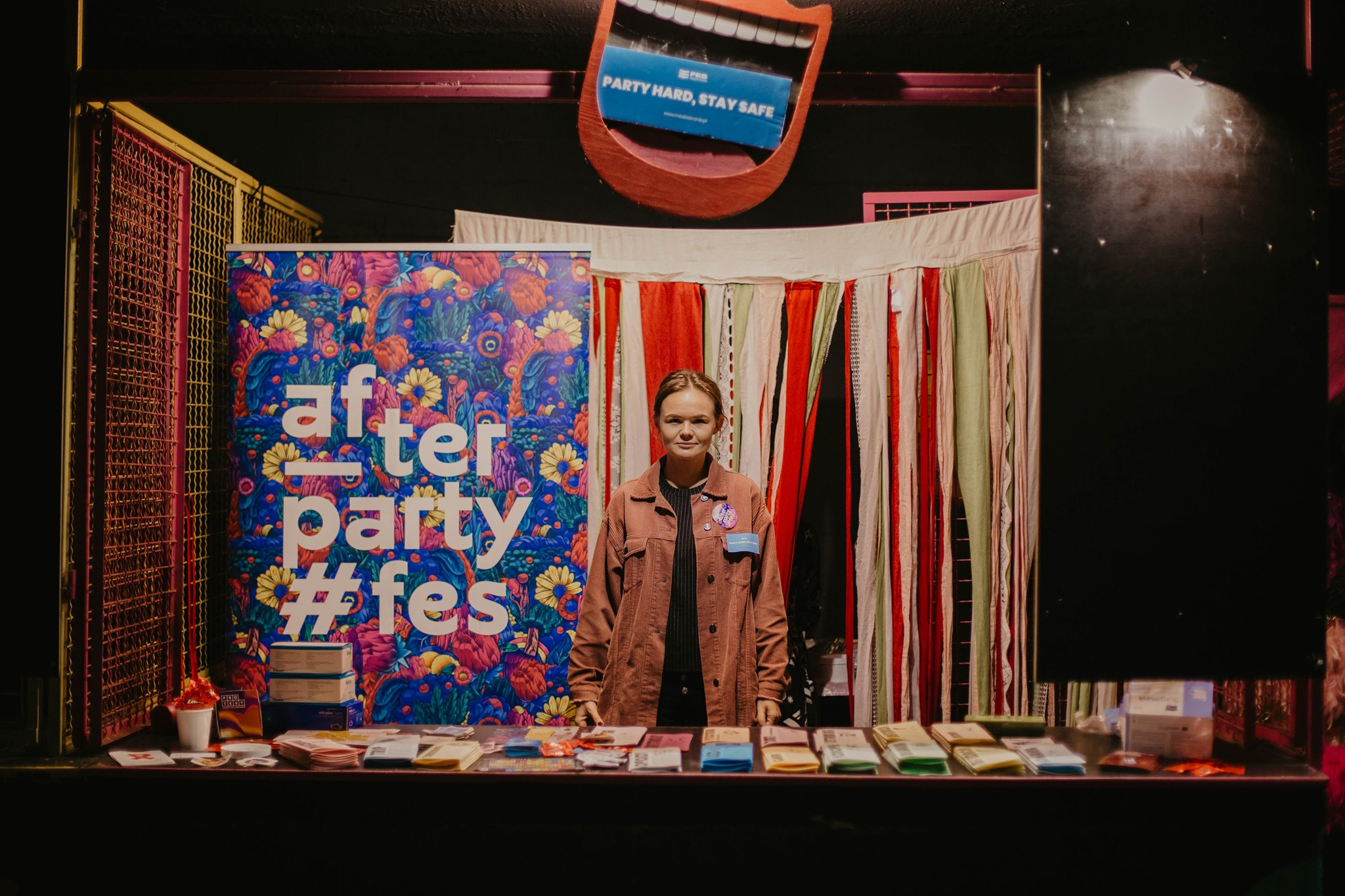 Drug checking is provided primarily by distributing reagent test kits at festivals and nightlife settings by civil society and community-based organisations, but it is not an official harm reduction intervention. “We don’t have a lab, like Spain or the Netherlands, where people could send samples for testing”, Jan clarified. “We bought the first batch of reagent tests, one hundred or two, from the Netherlands about eight years ago and distributed them during festivals. Since then, some local organizations started producing the tests themselves at better prices than companies from Western Europe or the US.” There is also #afterPartyFES project that provide harm reduction materials, information and consultations during festivals and in nightlife settings.
An idea to open a safe drug consumption room (DCR) in Warsaw was launched three years ago, but the local council didn’t agree to open it because of residents’ opposition. Despite this, civil society organisations continue to advocate for DCRs.
Drug laws
Any drug possession, even a small amount for personal use, is penalised with up to 3 years’ imprisonment in Poland. In minor cases, the offender can be fined or ordered to serve a sentence involving the limitation or deprivation of liberty for up to 1 year. Since 2011, Article 62(a) of the Act on Counteracting Drug Addiction gives prosecutors and judges the option to discontinue criminal procedures if individuals are caught in possession of small amounts of narcotic drugs or psychotropic substances for private use. The court may decide to compel a sentenced defendant to undergo treatment.
“Many people in prisons are for the crimes they committed under the influence of alcohol, but not that many for drug offences”, Jan explained. “About 30,000 people are arrested for drug possession each year, but only a few are incarcerated. The vast majority get suspended sentences, fines or are given social service work as a punishment. People diagnosed with drug dependence and need treatment can ask to be sent into treatment. If they finish it, the case can be dropped for good”.
OAT is available in some prisons and detention centres, but there is no NSP. People can continue or get into OAT programs after being admitted to prisons.
According to Jan, drug policy is a popular topic in Poland. “I think that the debate accelerated in 2008”, he explained. “That year, the Open Society Foundation, together with Gazeta Wyborcza, which is the biggest Polish daily, started a public campaign “Us, the narco-Poles” (My, narkopolacy) discuss drug use in Poland and call for decriminalization. People become interested in this issue because of personal experiences with the Polish drug policy and its effects on everyone. As I have mentioned, about 30,000 people are arrested for drug possession each year. So, that’s 300,000 over ten years. All these people have friends and family, and that’s also how I got into the movement. Decriminalisation remains the primary issue of advocacy because the previous changes to drug laws are insufficient; they don’t work well for everybody”.