The Eurasian Harm Reduction Association (EHRA) announces the convocation of the members online General meeting, in period from 21st May 2018 to 4th June 2018.
General meeting suggested agenda:
1. Approval of EHRA financial report for 2017 year (Statement from EHRA Treasurer will be sent until 16th May, 2018);
2. Approval of Regulations of the General and Regional meetings of the members of EHRA (Please find attached Regulations);
3. Approval of Regulations of the Steering Committee of EHRA (Please, find attached Regulations);
4. Approval to prolong terms for 2 more months for the 5 members of the Steering Committee and shorten term of 2 months for 1 member (Please find attached document with suggested terms);
5. Approval of the timeline of the Regional meetings to elect Steering Committee members (Please find attached document with suggested dates);
6. Approval of EHRA Advisory Board (List of candidates for EHRA Advisory Board will be sent until 16th May, 2018);
Timeline of the General meeting:
23 April, 2018 – announcement of the General meeting of EHRA members
23 April – 16 May, 2018 – documents for the General meeting are sent to members
21 May – 4 June, 2018 – online voting
For any further questions, please do not hesitate to contact Secretary of the General meeting Eliza Kurcevic by the e-mail: members@harmreductioneurasia.org
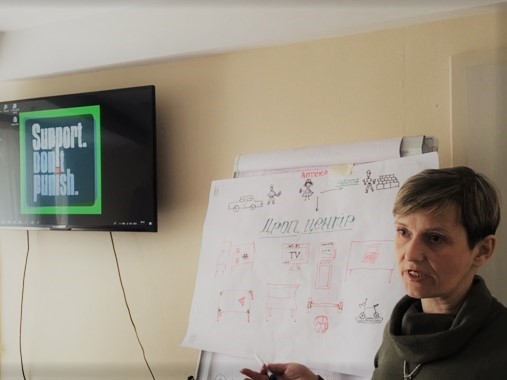
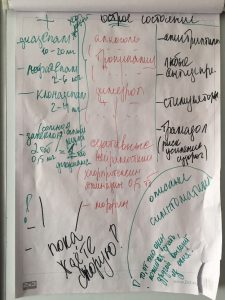
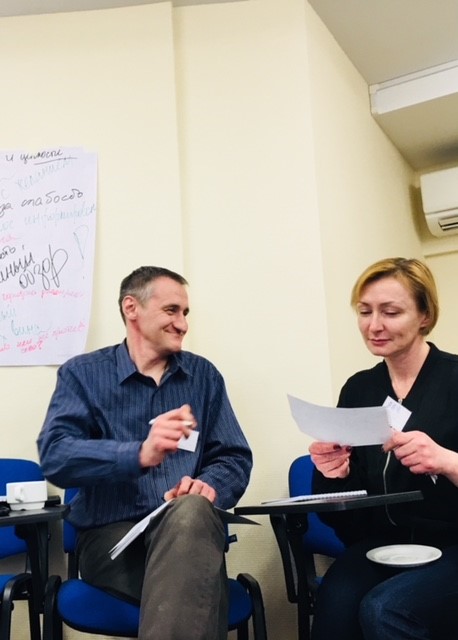
 «I was impressed by three unique events recently: seeing the Moon through a telescope, a concert by the rock band Leningrad and our training workshop. Alexander Kudryashev, Minsk. After our meeting was compared to the Moon and the creative and self-sufficient musician Shnur I feel entitled to publish my notes for people who organize meetings for people who use drugs*.
 – a person from the community who believes it’s extremely important personally for him, for his family and friends to solve the systemic problem that results in repression against people who use drugs. Such a person attracts people with a purpose who are dedicated to changing the society’s attitude to substances and drug policies. There is a community of OST patients in Belarus called “Your Chance” and a movement of students who have the same goals as we do – decriminalization of all substances and humane drug policy.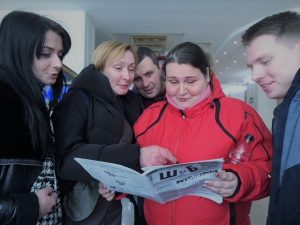

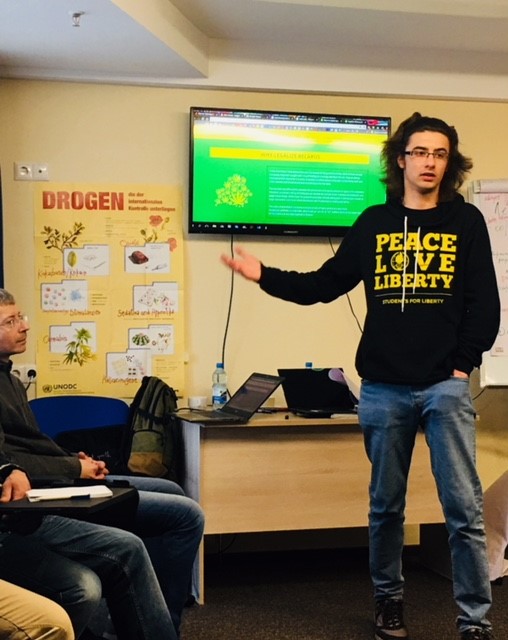 This is Chapter Two of the Guidance: legal reform, human rights, stigma and discrimination. It’s difficult to talk about the rights of people who use drugs in a country where a patient recovering from an overdose in hospital sees the police next to him and then he is taken from the hospital bed straight to court and to prison for three years. People fear that they might attract attention of drug control services if they’re caught looking up overdose treatment for bath salts on the internet. The war on drugs means eight years in prison which in turn means loss of health, money, illness and suffering in the family – things that are completely disproportionate to the effect and quantity of the drug they consumed and subsequently are being punished for.