Guidance from World Health Organization (WHO), United Nations Office on Drugs and Crime (UNODC) and Joint United Nations Programme on HIV/AIDS (UNAIDS) suggests that reversing an HIV epidemic requires 60% of all people who inject drugs (PWID) to be reached regularly by a needle syringe program (NSP), and that 40% of all opiate users be enrolled in opioid substitution therapy (OST).
Governments of Central and East Europe and Central Asia (CEECA) provide less than 15% of harm reduction funding needed in the region, which indicates region’s strong dependency on international donors who support both NSP and OST. At the same time, many of the countries in the CEECA region are becoming ineligible to receive donor funding due to increasing GNP per capita level. There are no more countries in CEECA that are classified as low-income – the funding priority for key donors such as the Global Fund to Fight AIDS, Tuberculosis and Malaria.
Epidemics among PWID cannot be reversed without greater and sustained state funding of harm reduction. Investments are needed to improve service quality and coverage level of both NSP and OST. Governments and other domestic sources have responsibility for meeting these investment needs. Their increased and sustained engagement is essential because the Global Fund is swiftly withdrawing from the region to concentrate on supporting low-income countries across the globe.
One of the key priorities of Eurasian Harm Reduction Association (EHRA) is to build capacity of PWID communities in CEECA in budget advocacy – a process enabling civil society organizations and communities to monitor and influence state decisions for the allocation of public funds towards harm reduction programs and better solutions safeguarding people’s health.
Budget advocacy by communities may have the greatest impact on actions of authorities, and in its turn, on the lives of people. With that in mind we believe that:
- It is crucially important to engage PWID community in planning through estimating the unmet needs for harm reduction services and defining priority items for a policy agenda change and financing;
- Allow for direct financing of civil society through social contracting or similar mechanisms, to deliver harm reduction and HIV and TB services to PWID, is the most evident way for the governments to sustain services and funding;
- An important consideration is that cost-effectiveness can best be obtained not by cutting services, but by making them more efficient through their optimization.
Increasing national funding should go hand in hand with reversing harsh prohibition laws and change of enforcement policies that discriminate PWID. Otherwise scale-up in funding would not convert to increased program coverage.
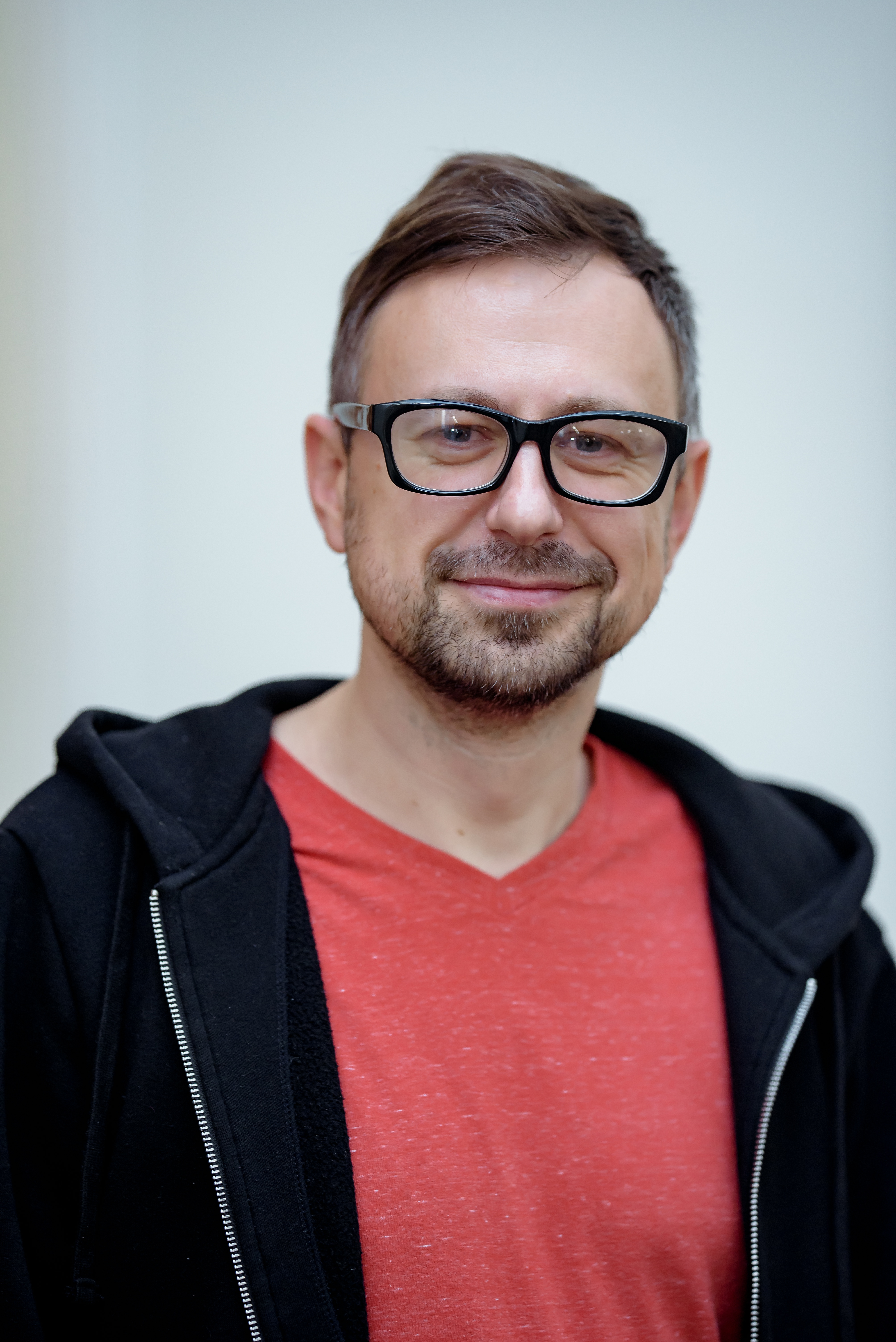

 «I was impressed by three unique events recently: seeing the Moon through a telescope, a concert by the rock band Leningrad and our training workshop. Alexander Kudryashev, Minsk. After our meeting was compared to the Moon and the creative and self-sufficient musician Shnur I feel entitled to publish my notes for people who organize meetings for people who use drugs*.
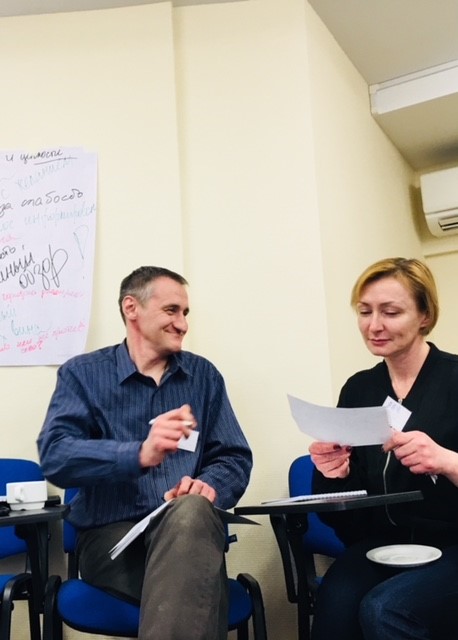 – a person from the community who believes it’s extremely important personally for him, for his family and friends to solve the systemic problem that results in repression against people who use drugs. Such a person attracts people with a purpose who are dedicated to changing the society’s attitude to substances and drug policies. There is a community of OST patients in Belarus called “Your Chance” and a movement of students who have the same goals as we do – decriminalization of all substances and humane drug policy.

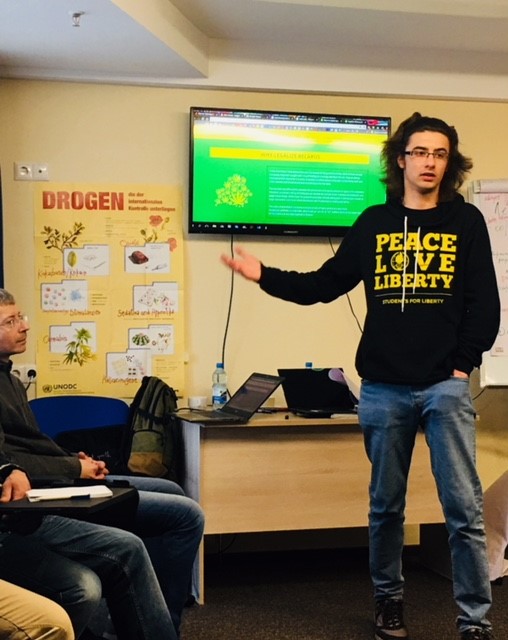 This is Chapter Two of the Guidance: legal reform, human rights, stigma and discrimination. It’s difficult to talk about the rights of people who use drugs in a country where a patient recovering from an overdose in hospital sees the police next to him and then he is taken from the hospital bed straight to court and to prison for three years. People fear that they might attract attention of drug control services if they’re caught looking up overdose treatment for bath salts on the internet. The war on drugs means eight years in prison which in turn means loss of health, money, illness and suffering in the family – things that are completely disproportionate to the effect and quantity of the drug they consumed and subsequently are being punished for.